
Best Stroller for Older Pets: What to Look For
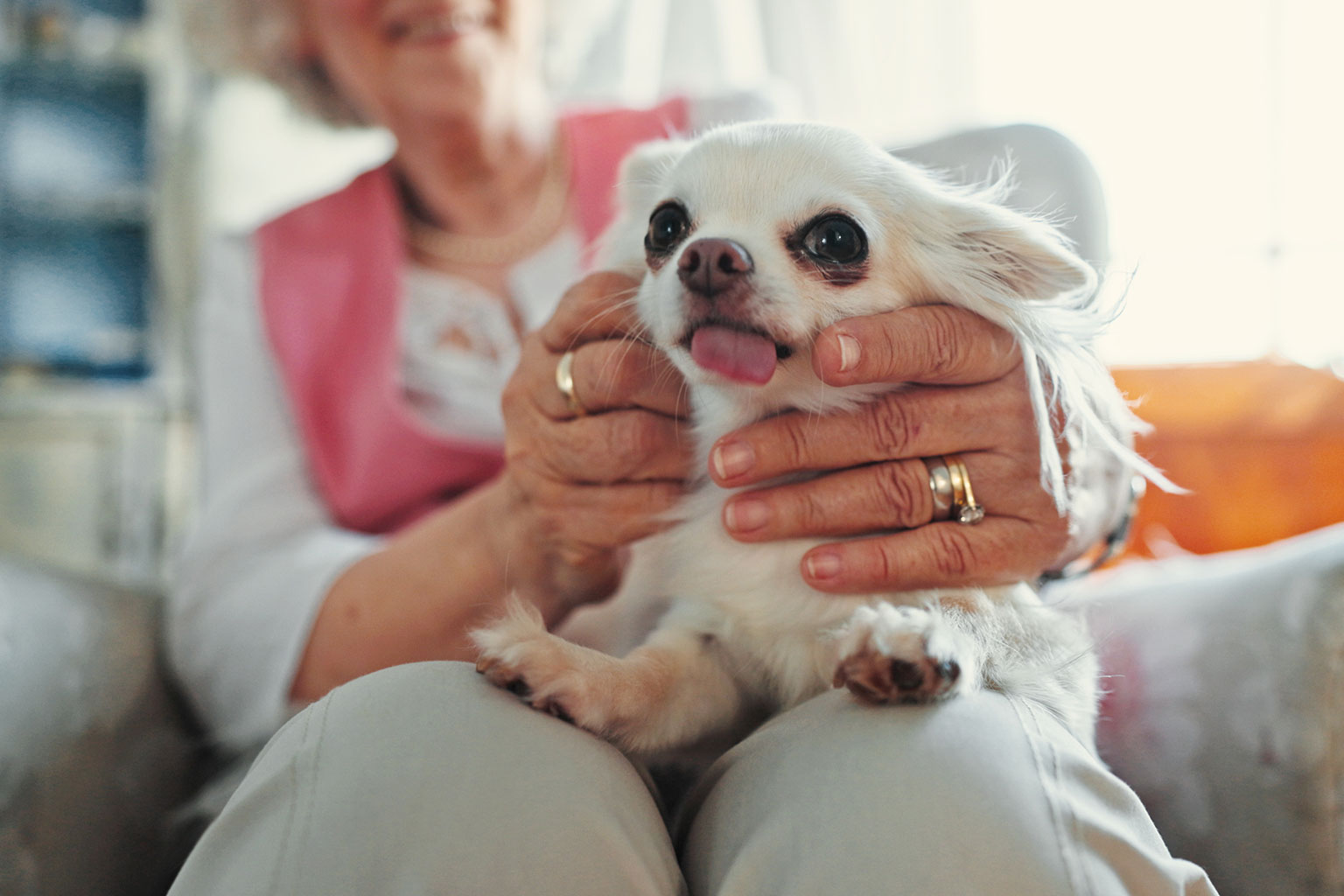
A senior dog who still wants to come along but cannot manage a full walk changes the question fast. You are no longer shopping for a pet accessory that looks nice in photos. You are trying to find the best stroller for older pets that keeps them comfortable, helps you move with less hassle, and fits into real routines like vet visits, neighborhood walks, and quick errands.
That is why the right choice usually comes down to function, not novelty. Older pets have different needs than puppies or small pets used to being carried everywhere. They may have arthritis, reduced stamina, trouble regulating body temperature, weaker vision, or anxiety when getting in and out of tight spaces. A stroller that works well for a healthy young pet can be a poor fit for a senior one.
How to choose the best stroller for older pets
The first thing to look at is entry and exit. This sounds basic, but it affects daily use more than almost anything else. If your pet has to be lifted awkwardly over a high frame, every outing becomes harder. Lower access points, wide openings, and enough cabin space to settle without twisting the body make a real difference for older dogs and cats.
Comfort matters too, but comfort is not just about a padded interior. For senior pets, comfort also means support. The cabin should feel stable rather than bouncy, and the base should be firm enough that joints do not sink into an uneven surface. If the stroller includes a removable pad, that is helpful for cleaning, but the underlying structure still needs to feel secure.
Then there is the ride itself. Large wheels generally handle cracks, curbs, and uneven sidewalks better than smaller ones. Swivel front wheels can improve turning in stores or on tighter paths, but they should not make the stroller feel loose or shaky. A good stroller for an older pet should feel controlled when you push it, especially when stopping, turning, or moving over rougher ground.
The features that matter most for senior pets
Weight capacity is the obvious number people check, but cabin dimensions are often more important. A pet may fall within the weight limit and still feel cramped. Older pets usually need room to lie down naturally, shift positions, and avoid pressure on sore hips or shoulders. Measure your pet in a resting position, not just standing up, before comparing products.
Ventilation is another feature that deserves more attention. Senior pets can be more sensitive to heat and stale air, especially during warmer months or longer outings. Mesh panels help with airflow and visibility, which can also reduce anxiety. Many older pets stay calmer when they can see out without being fully exposed.
Canopy design matters in the same way. A full enclosure can be useful in busy places, but it should be easy to open and adjust. Sometimes your pet wants shade and quiet. Sometimes they want to look around. The best setups let you adapt rather than forcing one fixed position.
Brakes should be easy to use and reliable. This is not a small detail when you are loading a pet in or out, pausing on a slope, or stopping outside a shop or clinic. A stroller that rolls too easily when parked becomes frustrating very quickly.
Storage also matters more than many buyers expect. Once you are out with an older pet, you are often carrying water, a leash, treats, medication, waste bags, and maybe a blanket or towel. A stroller with sensible storage keeps those basics organized instead of turning the handle into a place where everything hangs and swings.
Best stroller for older pets at home and on the go
Where you plan to use the stroller should guide the design you choose. For neighborhood walks, smoother handling and everyday folding convenience may matter most. For travel or car trips, compact folding and manageable lifting weight become much more important. For city use, you may care more about narrow turning, curb handling, and easy storage in smaller spaces.
This is where many people buy too much stroller or too little. A very large model may seem safer because it offers extra room, but if it is difficult to fold, awkward to steer, or too heavy to lift into the car, you may stop using it. On the other hand, an ultra-light model can save space but feel underbuilt for a larger senior pet or rough sidewalks.
It depends on your routine. If your pet mostly joins you for short local outings, daily convenience should win. If you travel often, portability may need to move higher on the list. The best stroller is the one you will actually use consistently because it fits your life as well as your pet.
Common mistakes when buying a stroller for a senior pet
One of the biggest mistakes is choosing based on age alone instead of mobility level. Two dogs of the same age can need very different setups. A pet with mild fatigue may do well with a compact stroller used for part of the walk. A pet with joint pain or balance issues may need a roomier, more supportive option from the start.
Another mistake is overlooking loading height. People often focus on how the stroller moves once the pet is inside, but not on how often they will have to lift that pet in and out. If your dog weighs 25 pounds or 40 pounds and you are doing that several times a week, ease of access becomes central, not secondary.
Some buyers also put too much weight on extras and not enough on frame quality. Cup holders, decorative trim, and add-on compartments can be useful, but they do not make up for poor stability, weak wheels, or a cabin that does not support your pet well.
Finally, do not ignore cleaning. Older pets may have accidents, shed more, or track in dirt after slower walks. Fabrics that wipe clean, removable liners, and simple interiors save time and make the stroller easier to keep fresh.
What makes daily use easier
The best stroller for older pets should reduce friction in small, repeated ways. Folding should be straightforward enough that you do not put it off. The handle height should feel comfortable for longer pushes. The stroller should fit through doors, into the trunk, and into the places you already go.
A model with flexible storage and practical accessories can also help the stroller adapt to daily life instead of feeling like a single-use item. That is often what separates something you use once in a while from something that becomes part of your regular routine. Strolee focuses on that kind of real-life convenience, with foldable designs and useful add-ons that make outings easier to manage.
If your pet is nervous, routine helps. Try short rides first in familiar places. Let them get in and out calmly at home before heading somewhere busy. Many older pets accept a stroller quickly once they realize it means they can still come with you without overexertion.
When a stroller is the right choice
Some pet owners hesitate because they worry a stroller looks excessive. In practice, it can be one of the simplest ways to keep an older pet included in everyday life. A stroller can help a senior dog enjoy fresh air after their legs tire out. It can help a cat travel with less stress. It can make longer outings manageable without asking too much from a pet that still wants to be near you.
That said, not every older pet needs one immediately. If your pet still walks comfortably for most outings, you may only need a stroller occasionally. If they are slowing down, sitting frequently, or struggling to recover after walks, a stroller often becomes much more useful.
The right time is usually when you notice that your pet still wants the outing but cannot comfortably manage all of it on foot. At that point, a good stroller is not about pampering. It is about preserving comfort, participation, and routine.
Choosing well means paying attention to the things you will feel every single day – stable handling, easy access, supportive space, reliable wheels, and simple storage. When those basics are right, walks get easier, errands feel more manageable, and your older pet gets to keep enjoying the world a little longer.

