
Grocery Support Cart Success Stories That Matter
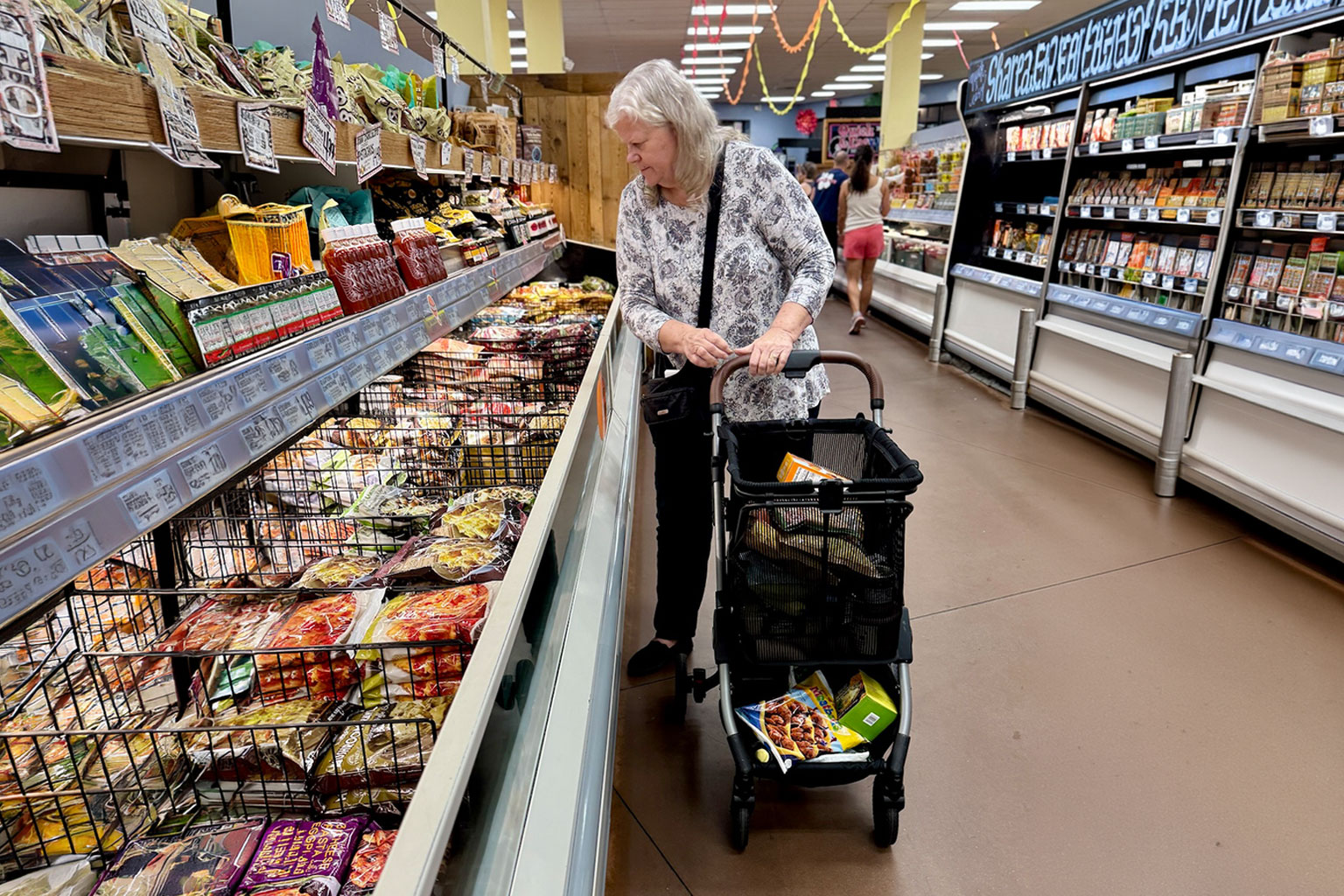
A small change in a shopping routine can have an outsized effect on the rest of the week. That is why grocery support cart success stories tend to sound less like dramatic transformations and more like practical wins – one easier trip to the store, one less heavy lift into the car, one more errand completed without feeling worn out afterward.
For many adults, especially those balancing busy households, reduced stamina, or the simple reality that groceries are heavy, a cart is not just about carrying bags. It is about making everyday movement feel more organized and manageable. The best stories are not about doing more for the sake of it. They are about getting through ordinary life with more comfort, confidence, and control.
Why grocery support cart success stories feel so relatable
The most useful success stories share one thing: they solve everyday friction. A person who used to juggle reusable bags, a purse, and a list now has one place for everything. A caregiver making quick store runs no longer has to choose between buying enough for the week and keeping the trip physically manageable. A pet owner can adapt their setup depending on the day instead of owning separate gear for every outing.
That practical value matters because grocery trips rarely happen in perfect conditions. Sidewalks are uneven. Parking is far from the entrance. Weather changes halfway through the trip. Some days there is a full weekly shop, and other days it is just milk, fruit, and a few essentials. A cart that folds, stores easily, and handles more than one type of errand tends to become part of a routine because it adjusts to real life instead of asking the user to plan around it.
Real-life grocery support cart success stories
One common story starts with someone who had gradually begun shopping less often, not because they wanted to, but because the process had become tiring. They would put off errands until they could combine everything into one larger trip, which often made the outing even harder. With a foldable grocery cart, the pattern changed. Smaller, more frequent trips became realistic again. That often meant fresher food at home, less strain carrying bulky items, and less pressure to make every single store run count.
Another familiar example comes from apartment living. Carrying groceries from the car park or curb to an elevator and then down a hallway can be more difficult than the shopping itself. People in this situation often describe the same benefit first: fewer trips. Instead of balancing bags on both arms and hoping nothing tips over, they can move everything in one organized load. It sounds simple because it is simple, and that is exactly why it works.
Caregivers often tell a slightly different version of the same story. Their routines already involve planning around another person’s needs, so any tool that reduces effort in one area gives back time and energy somewhere else. A grocery support cart can make it easier to keep essentials together, separate frozen items from pantry goods, and move through stores with less chaos. The success is not just finishing the errand. It is finishing it without feeling like the errand took over the day.
Then there are shoppers who appreciate flexibility more than anything else. They want something compact enough to fold into the trunk, useful enough for grocery runs, and adaptable enough for farmers markets, neighborhood walks, or picking up a few things at the pharmacy. In those stories, the cart succeeds because it does not sit in a closet waiting for one special use case. It becomes an everyday tool.
What actually makes these stories successful
When people talk about a cart working well for them, they usually are not talking about a single feature. They are describing how several practical details come together.
Stability is usually at the top of the list. A cart needs to feel steady when it is loaded, when it moves over imperfect pavement, and when it is being packed or unpacked. That sense of steadiness changes the whole shopping experience. It helps people move more calmly and keep their attention on the errand instead of constantly adjusting the load.
Storage matters almost as much. A cart that folds easily tends to be used more often because it fits daily life better. If it can go into a car trunk, a hall closet, or a small apartment corner without becoming a nuisance, it stays accessible. Convenience is often what separates a product that gets used every week from one that felt like a good idea at first.
Organization also shows up again and again in grocery support cart success stories. Dedicated bags, insulated compartments, and simple accessories like cup holders or weather covers may sound secondary, but they often make the difference between a cart that carries items and a cart that truly supports a routine. When groceries stay organized, the whole trip feels easier from checkout to unpacking at home.
The trade-offs people notice over time
No cart is perfect for every shopper, and the best success stories are honest about that. A larger setup may carry more but can feel excessive for someone making quick corner-store trips. A lighter cart may be easier to lift into a car but may not be the best fit for those who regularly shop for a full household. What works well depends on how often someone shops, how much they carry, and where they use the cart most.
Accessories are another it-depends area. Some people want a simple setup and do not need anything beyond the cart itself. Others quickly realize that an organizer bag or insulated freezer bag changes how useful the cart feels week to week. There is no single right configuration. The point is having options that fit the routine instead of forcing the routine to fit the product.
This is where a modular approach stands out. A cart that can adapt over time usually has more staying power than one designed for only one task. For a shopper whose needs vary from weekday errands to weekend market trips, flexibility is not an extra. It is part of what makes the purchase worthwhile.
How the right cart changes the rhythm of errands
The strongest success stories are often about rhythm, not reach. People are not necessarily traveling farther or buying more. They are moving through familiar tasks with less friction. That can mean making a midweek grocery stop without dreading the return trip. It can mean keeping household supplies stocked because picking them up no longer feels like a project. It can mean walking into the store with a plan and leaving without the usual arm strain, bag juggling, or second-guessing.
That shift has a practical emotional effect too. Everyday errands feel better when they feel under control. Confidence grows when a routine becomes predictable again. For many people, that is the real success behind these stories. The cart is useful because it reduces strain, yes, but also because it removes uncertainty from a task that happens again and again.
A well-designed cart earns its place by being ready for ordinary life. Foldability matters on Monday when the trunk is full. Storage matters on Wednesday when the hallway closet is crowded. Stability matters on Saturday when the store is busy and the sidewalk home is uneven. Good design proves itself in those ordinary moments.
What to look for if you want your own success story
If you are considering a cart, think less about the best-case scenario and more about your real routine. Do you shop once a week or in smaller trips? Are you carrying groceries from a parking lot, along city sidewalks, or up to an apartment? Do you want a simple setup, or would insulated storage and accessories make a clear difference?
The answers shape what will feel successful for you. A practical cart should fit where you live, how you shop, and what makes errands feel harder than they need to be. That is why many people end up valuing versatility more than they expected. A cart that handles groceries well and adapts to other everyday tasks tends to deliver value far beyond checkout.
Strolee’s approach reflects that kind of real-life flexibility. When a cart is built to fold easily, stay organized, and support a range of errands with smart accessories, it is easier to keep using it week after week.
The most convincing success stories are rarely flashy. They sound like this: I got home with everything in one trip. I did not feel exhausted after shopping. I had what I needed, and the errand felt easier. For most people, that is more than enough reason to make room for a better routine.


