
How to Pack a Modular Shopping Cart Right
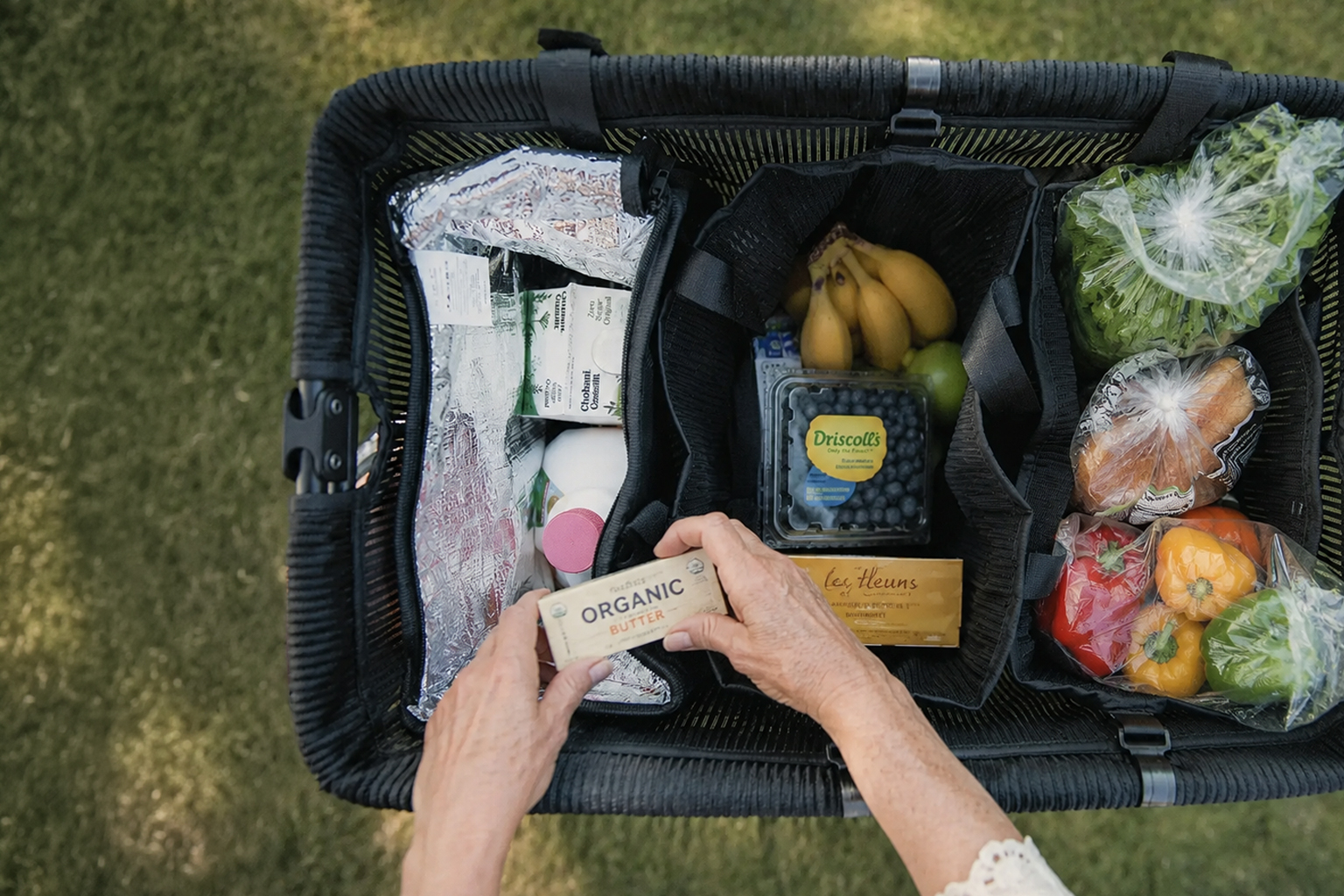
A modular cart works best when it is packed with a little intention. If you are figuring out how to pack a modular shopping cart, the goal is not to fit in as much as possible. The real goal is to keep weight balanced, protect what you are carrying, and make the trip easier from the first stop to the walk back home.
That matters more than people think. A well-packed cart feels lighter to manage, keeps essentials within reach, and helps you avoid the stop-and-repack routine in the middle of an errand. Whether you are carrying groceries, daily essentials, or a few pet items along with your shopping, the way you load each section makes a noticeable difference.
How to pack a modular shopping cart for balance
The first rule is simple: heavier items go low and close to the center of the cart. That usually means bottled drinks, canned goods, milk, detergent, or anything dense should sit in the main lower area rather than on top. When heavy items are stacked too high, the cart can feel awkward to steer and harder to control over curbs, uneven sidewalks, or parking lot transitions.
Balance also matters from side to side. If you place all the heavy weight on one side, the cart can start to pull in that direction. You may not notice it right away in the store aisle, but you will feel it when turning corners or moving over longer distances. Spreading weight evenly keeps the cart more comfortable to handle and reduces shifting while you move.
Modular carts make this easier because they give you separate zones. Instead of treating the whole cart like one big open bag, think of each section as having a job. The bottom carries weight, the main bag handles most everyday items, and smaller add-ons hold the things you want to reach quickly.
Start with the trip, not the items
Before loading anything, think about what kind of errand you are doing. A quick grocery run, a farmers market visit, and a day out with personal items all call for a slightly different setup. This is where a modular design earns its place. You can adjust what accessories you bring and avoid carrying extra pieces you do not need.
For a grocery trip, your priority is usually weight distribution and food protection. For a mixed errand day, access matters more because you may need your phone, wallet, keys, glasses, or water bottle several times. If cold items are on the list, an insulated compartment should be part of the plan from the start, not an afterthought once frozen foods are already in the cart.
This approach saves time because you pack once with purpose. It also helps prevent common mistakes like putting delicate items under heavy staples or burying personal essentials under a full load of groceries.
Build your packing order from bottom to top
A smart loading order keeps the cart organized as you shop. Start with the heaviest and least fragile items in the lowest area. Then add medium-weight items around them so they stay in place. Lighter or crushable items should go on top last.
Think of it in layers. The base layer is for stable weight. The middle layer is for everyday groceries or household goods that can handle normal movement. The top layer is for bread, eggs, soft produce, baked goods, or anything that bruises or crushes easily.
If your cart has a structured organizer bag, use that for smaller loose items that tend to disappear into the main compartment. Items like medicine, receipts, lip balm, hand sanitizer, reading glasses, or reusable shopping bags stay easier to find when they have a dedicated space.
Keep essentials where your hand naturally goes
One of the biggest advantages of a modular shopping cart is access. You should not need to stop, unzip multiple compartments, and dig through groceries just to find your phone or keys. Small accessories like cup holders, side pouches, or organizer bags are most useful when you reserve them for true grab-and-go items.
That usually includes your wallet, phone, keys, shopping list, transit card, and water bottle. If you use tissues, medication, or a compact umbrella regularly, keep those near the top or in an outer pocket too. The less often you need to open the main storage area during a trip, the more organized the cart stays.
There is a trade-off here. Easy-access pockets can become catch-all spaces if you overfill them. When that happens, you lose the convenience they are meant to provide. A good rule is to keep only the items you may need while in motion in those outer sections.
Packing groceries without crushing or shifting
Groceries are where packing technique really shows. It is tempting to load quickly and head home, but a few small adjustments protect your food and make unloading easier later.
Place boxed items and sturdy containers first, then fit cans and jars around them. This creates a stable base. Produce should go above heavy goods, ideally grouped together so it does not roll or get pressed into sharper packaging. Bread, eggs, and delicate bakery items should always be the last things placed in the cart.
Cold and frozen foods deserve their own section whenever possible. If you have an insulated freezer bag, keep it ready before you shop and load it as those items go in. That way, temperature-sensitive groceries are already separated and protected. On warmer days, this setup matters even more, especially if you are making more than one stop before heading home.
If you shop for a full week at a time, avoid packing every compartment to the limit. A completely stuffed cart may hold more, but it can be harder to organize and less comfortable to maneuver. Leaving a little space gives items room to settle properly instead of pressing against one another.
Using modular accessories the smart way
Accessories help when each one has a clear role. An organizer bag works well for personal items and small essentials. An insulated bag is best for dairy, frozen meals, meat, or other groceries that benefit from temperature control. A rain cover can protect the entire load when weather changes quickly. If you are carrying drinks, a cup holder keeps them secure and out of the main storage area.
The key is not to attach every accessory for every outing. More compartments are helpful only when they match the errand. Too many add-ons can create clutter or make the cart feel bulkier than it needs to be. For most trips, a simple setup is the most efficient one.
This flexible approach is what makes modular systems practical for real life. You are not stuck with a single fixed layout. You can pack light for a short store visit, then switch to a more organized setup for a longer shopping day.
How to pack a modular shopping cart for mixed-use days
Some days are not just about groceries. You might be picking up household supplies, carrying a sweater, bringing a few personal care items, or transporting pet essentials at the same time. In those cases, separation matters as much as balance.
Try to keep food and non-food items in different sections when possible. Cleaning products should never press against produce or bakery items. Personal items like wallets, medication, and electronics should stay in protected compartments away from anything that could leak, sweat, or spill.
If your modular setup includes a lower carrier or separate compartment, use it for items that need their own space rather than forcing everything into the main bag. This keeps your cart easier to unpack and reduces the chance of damaged items at the bottom.
A quick test before you head out
Before leaving the store or your front door, do a fast check. Is the heaviest weight low? Are fragile items on top? Can you reach what you need without opening the whole cart? Are cold items insulated if necessary?
Then give the cart a short push. If something shifts immediately, repack it before you start your trip. Small adjustments take seconds and usually save frustration later.
Common packing mistakes to avoid
Most packing problems come from rushing. Heavy items on top, overfilled pockets, and mixed loose items in one large compartment can all make a cart harder to manage. Another common mistake is forgetting the return trip. A cart that is easy to load in the store can become awkward once you add a handbag, jacket, or personal items on the way home.
It also helps to avoid treating modular sections like overflow space. If every add-on is stuffed full, you lose the benefit of having a structured setup. Better organization usually comes from assigning each compartment a purpose and sticking to it.
A modular shopping cart is built to adapt to your routine, but the best results come from packing with your route, your load, and your comfort in mind. Once you find a system that fits your errands, it starts to feel less like packing and more like moving through the day with less strain and more confidence.


