
How to Choose a Shopping Cart That Fits
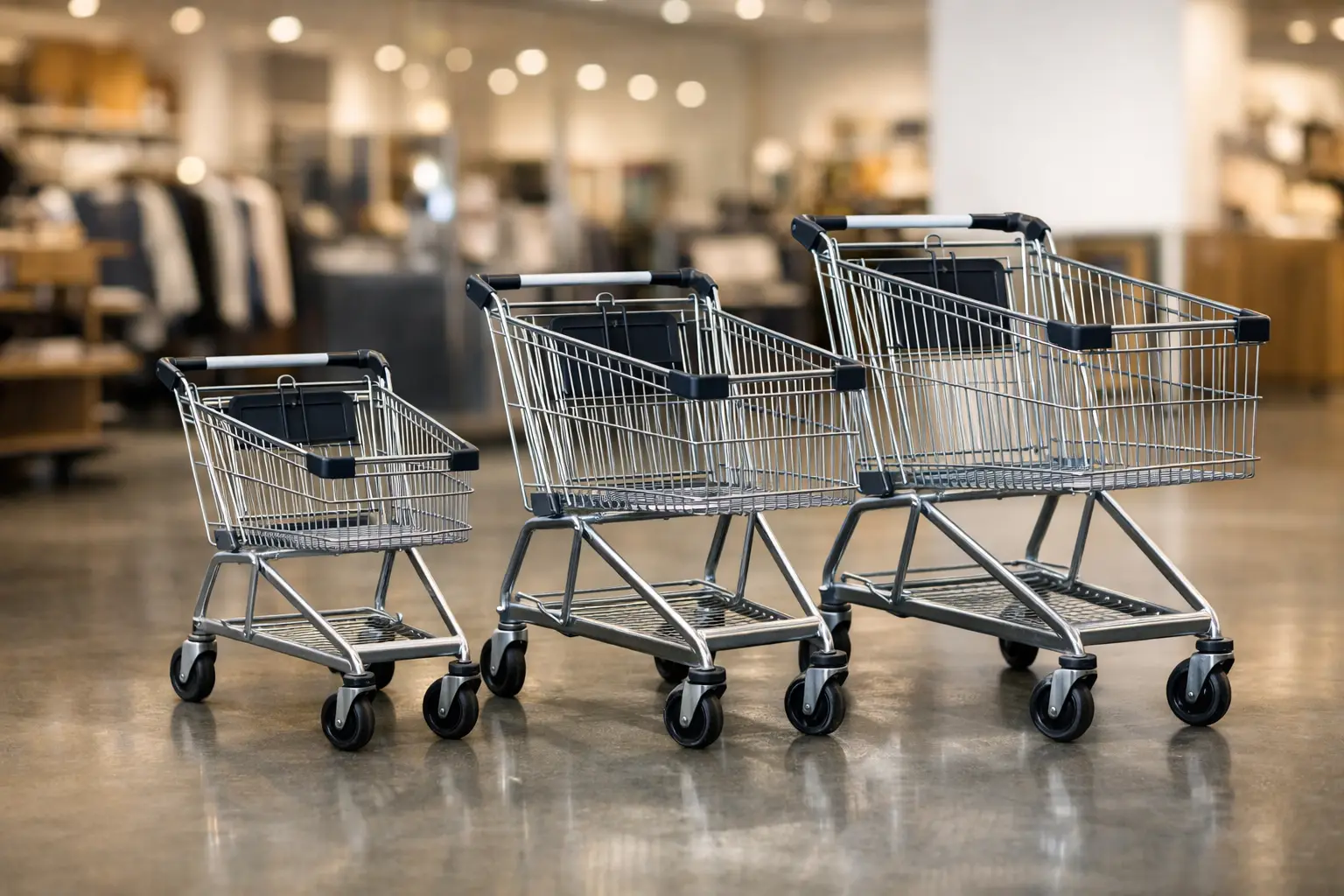
A shopping cart can make a quick grocery run feel easier – or turn every errand into more work than it should be. If you are wondering how to choose a shopping cart, the best place to start is not with color or price. It is with your routine. The right cart should match how you shop, where you walk, what you carry, and how much support and convenience you want from it day to day.
That sounds simple, but this is where many people end up with the wrong cart. A model that looks compact online may feel too small after one weekly grocery trip. A cart with a large basket may be hard to store in a car trunk or hallway closet. And a lightweight option may be easy to lift, but less steady on uneven sidewalks. The best choice is usually the one that fits real life, not just the product photo.
How to choose a shopping cart for your daily routine
Before you compare features, think about how the cart will actually be used. Some people shop a few times a week and carry smaller loads. Others prefer one larger trip and need room for heavier groceries, household supplies, or a handbag and coat. Some need a cart that works well in apartment buildings, elevators, and city sidewalks. Others want something easy to fold and keep in the trunk for errands across town.
Your environment matters just as much as your shopping habits. If you regularly deal with curbs, cracked pavement, or crowded store aisles, stability and maneuverability should be near the top of your list. If your biggest challenge is storage at home, a foldable frame may matter more than maximum basket size. If you shop in all seasons, weather protection and durable fabric become more important.
This is why there is no one-size-fits-all answer. A good cart should adapt to your daily life rather than asking you to adapt to it.
Start with stability, not just capacity
Most people first look at how much a cart can hold, but stability is what shapes the experience. A cart that feels steady when turning corners, crossing parking lots, or rolling over uneven ground is easier to use with confidence. That matters whether you are carrying produce for dinner or a full load of groceries for the week.
Pay attention to the frame design, wheel placement, and overall balance. A wider base often feels more grounded than a narrow one, especially when the basket is full. Larger wheels can help the cart move more smoothly across different surfaces. A sturdy handle also makes a difference. If the handle feels awkward or too low, even a well-built cart can become tiring to push or pull.
The trade-off is that very compact carts are not always the steadiest, and very large carts can feel bulky in tighter spaces. If your errands take you through small stores, elevators, or crowded sidewalks, aim for a cart that balances a stable frame with practical maneuverability.
Choose the right basket size for the way you shop
Basket size should reflect your habits, not your guess about what you might need once in a while. A cart that is too small will leave you carrying extra bags in your hands. A cart that is too large may feel awkward when half empty and harder to store when you get home.
If you shop in smaller, more frequent trips, a medium basket is often the most practical. It gives you enough room for groceries and essentials without making the cart feel oversized. If you shop once a week or like to combine errands, more capacity may save you from juggling multiple bags.
Think beyond groceries too. Many people use their cart for library books, farmers market finds, laundry items, or everyday personal belongings. If you want one cart to do more than one job, look for a design that gives you flexible storage without becoming heavy or cumbersome.
Foldability matters more than people expect
A cart can be excellent on the sidewalk and still become frustrating at home if it does not store well. That is why foldability is not just a nice extra. For many households, it is essential.
If you live in an apartment, have limited hallway space, or keep your cart in the car between errands, check how compact it becomes when folded. Also consider how easy that folding process is. A complicated mechanism may not seem like a problem the first few times, but it quickly becomes one if you use the cart often.
The best foldable carts are simple to open, simple to close, and easy to lift into a trunk or tuck into a closet. Portability should not come at the expense of strength, though. A cart still needs to feel dependable when fully loaded.
Don’t overlook comfort and control
A shopping cart should reduce strain, not add new frustrations. Comfort comes from small design choices that affect every trip. Handle height, grip shape, wheel movement, and overall weight all play a part.
If a cart is difficult to steer, awkward to turn, or tiring to move when loaded, it will not feel convenient for long. A lightweight frame can help with lifting and storage, but it still needs enough structure to feel solid during everyday use. Smooth rolling wheels and a comfortable handle can make a bigger difference than people expect, especially on longer outings.
This is also where design quality shows. A cart built for real-life use feels easier to manage at curbs, checkout lines, parking lots, and front steps. It should help you stay organized and comfortable rather than making you think about the cart itself the entire time.
How to choose a shopping cart with useful features
Extra features only matter if they solve everyday problems. A basic cart may be enough for some shoppers, but many people benefit from thoughtful additions that improve convenience and organization.
A removable or washable bag can make cleanup easier. Insulated storage is useful if you buy frozen foods or dairy and want better temperature control during longer trips. A cup holder, organizer pocket, or weather cover can also be practical, depending on how often you are out and how much you carry.
The key is to choose features that match your habits. If you never shop in bad weather, a rain cover may not matter much. If you often carry personal items, a few organized storage areas can save you from digging through bags at checkout. If your needs change from one outing to the next, modular accessories can be especially helpful because they let the cart do more without forcing you to buy separate gear for every task.
That flexibility is one reason many shoppers now look for carts that go beyond a single-purpose design. A well-designed system can support groceries, errands, outings, and even pet transport with the right setup, which adds value over time.
Consider materials, upkeep, and long-term value
A shopping cart is not just a purchase for this month. It is something you may use several times a week. That makes durability worth paying for.
Look at the frame material, fabric quality, wheel construction, and how the parts come together. A cheaper cart may save money upfront but wear out faster, wobble under weight, or become difficult to use after regular wear. On the other hand, the most expensive option is not always the best fit if you are paying for features you will never use.
Think about maintenance too. Can the fabric be wiped clean? Do the wheels seem built for repeated use? Does the cart fold and unfold without feeling flimsy? Long-term value comes from dependable performance, not just a long feature list.
Match the cart to your real errands, not ideal ones
This is often the deciding factor. Picture your usual trip from start to finish. You leave the house, move through the sidewalk or parking lot, enter the store, pick up groceries, check out, return home, and store the cart. At which points do you usually feel the most inconvenience?
If carrying bags up steps is the problem, focus on a cart that is easy to manage when full. If navigating narrow spaces is the challenge, prioritize a compact footprint and responsive wheels. If clutter and loose items frustrate you, choose a model with better built-in organization. If you want one dependable option that adapts to different needs, a cart with flexible accessories may make the most sense.
For many people, the right answer is a cart that combines stability, foldability, and practical add-ons in one system. That is where a product-centered approach can really help. Instead of forcing you to choose between portability and usefulness, some carts are built to handle both in a way that feels natural in everyday life.
A good shopping cart should make routine errands feel lighter, simpler, and more organized. When you choose one based on how you actually live, it becomes less about carrying groceries and more about moving through your day with greater ease and confidence.


