
Lightweight Foldable Grocery Cart Guide
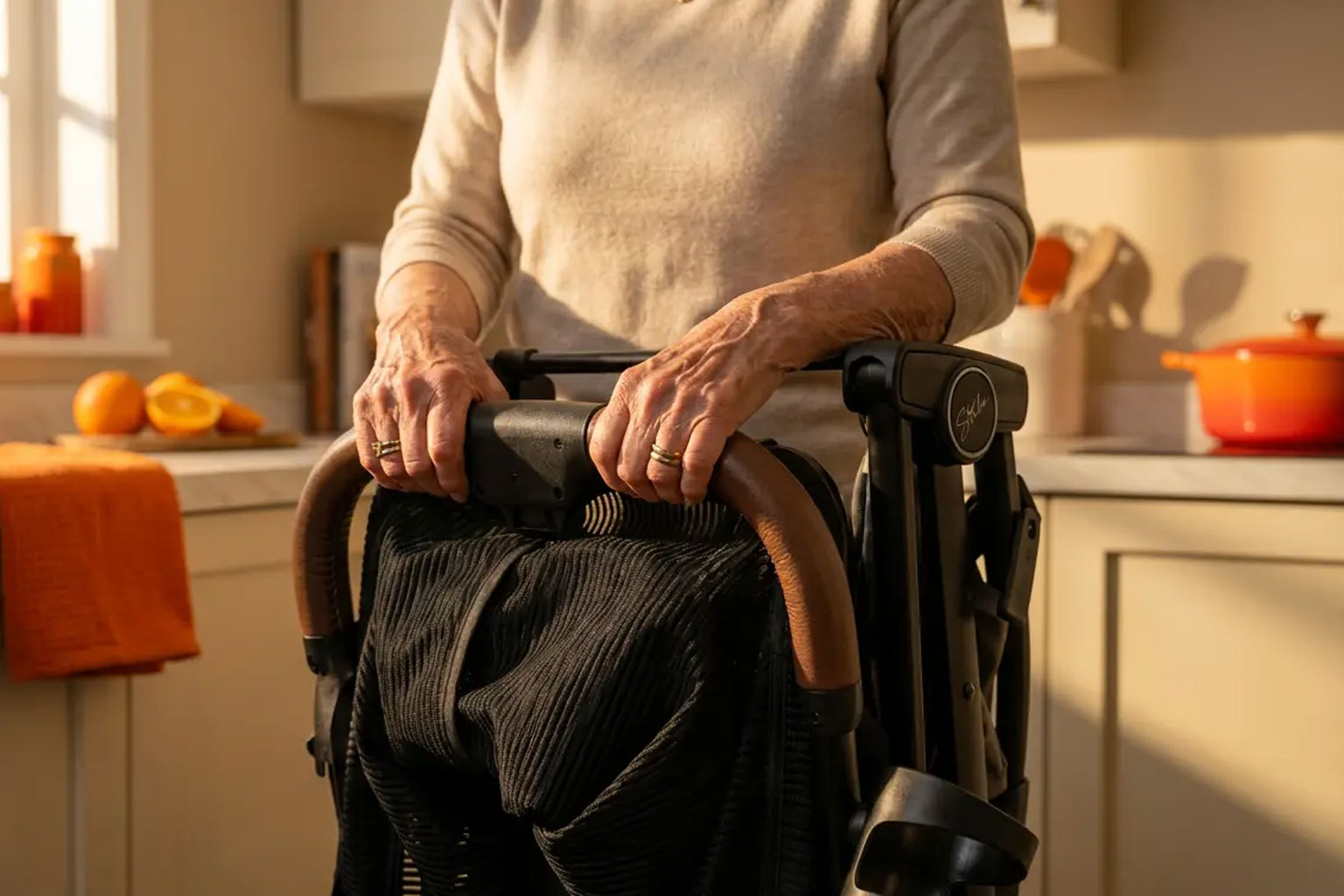
A curb, a parking lot, a narrow store aisle, a few heavy bags, and suddenly a simple grocery run feels like more work than it should. That is exactly where a lightweight foldable grocery cart earns its place. The right cart reduces strain, keeps essentials organized, and makes regular errands feel more manageable without adding bulk or complication.
For many adults, convenience is only part of the story. Stability, comfort, and confidence matter just as much. A cart that folds neatly but wobbles under load is not helpful. A cart that carries plenty but feels awkward to steer is not much better. The best option is one that fits real life – easy to open, easy to store, comfortable to move, and dependable when the trip includes more than a few items.
What a lightweight foldable grocery cart should actually do
A good cart is not just a bag on wheels. It should support the rhythm of everyday errands. That means it needs to roll smoothly from sidewalk to store, handle a meaningful load, and fold down without a struggle when it is time to put it in the trunk, hallway closet, or apartment corner.
Lightweight matters because a cart that is difficult to lift into a car or carry up a step creates a new problem while solving another. Foldable matters because space is rarely unlimited, especially in apartments, smaller homes, or shared vehicles. Grocery cart matters because this is a practical tool first. It should be built around carrying, organizing, and transporting the things people actually buy every week.
The strongest designs also adapt beyond groceries. A well-made cart can help with farmers market trips, laundry, everyday essentials, picnic supplies, and family outings. That kind of flexibility is often what separates a smart purchase from something that gets used twice and stored away.
Why lightweight does not always mean better
When people shop for a lightweight foldable grocery cart, it is natural to assume lighter is always best. Not quite. If a cart becomes too light by using thin materials, a narrow frame, or undersized wheels, it can feel less secure when loaded. That trade-off shows up quickly on uneven pavement, crowded sidewalks, or tighter turns.
What you really want is balanced weight. The cart should be light enough to fold, lift, and store with minimal effort, but substantial enough to feel planted and controlled in motion. Frame geometry, wheel placement, and handle design all play a role here. Two carts can have similar weight on paper and feel completely different in use.
That is why it helps to think beyond a single spec. Product pages often spotlight weight because it is easy to measure, but everyday comfort comes from how the whole cart works together.
The features that make daily errands easier
A useful cart starts with a stable frame. If the base feels secure and the weight sits low and evenly, the cart is easier to steer and more predictable when loaded. That matters whether you are moving through a supermarket checkout line or crossing a parking lot with bottled drinks and pantry items.
Wheel design deserves just as much attention. Larger wheels generally handle cracks, curbs, and rougher surfaces better than tiny wheels. They also make a cart feel less choppy in motion. Swivel wheels can improve maneuverability, but they should not come at the cost of control. For many shoppers, a cart that tracks cleanly and turns without fuss is more useful than one that spins too freely.
The handle is another detail people underestimate. A comfortable grip and sensible handle height can make a long trip feel easier on the hands, wrists, and shoulders. If the cart encourages a natural pushing or pulling position, it tends to feel more comfortable over time.
Storage details matter too. A roomy basket or compartment is important, but so is organization. Separate bags, insulated sections, and cup holders may sound like extras, yet they often make the cart more practical day to day. Frozen goods, fragile items, and personal belongings all benefit from having their own place.
How a lightweight foldable grocery cart fits different lifestyles
The same cart will not serve every household in exactly the same way. Urban shoppers often need something compact enough for small elevators, apartment entryways, and public transit storage. In that setting, a slim fold and easy handling can matter more than maximum capacity.
Suburban users may prioritize loading groceries from store to car to home. They often benefit from a cart that folds quickly, opens just as easily, and feels secure over longer parking lot walks. If the cart regularly goes in and out of a trunk, ease of lifting becomes more important.
Older adults and caregivers often look for a cart that makes errands feel more comfortable and less tiring over the course of a week. For them, the right design is usually not about one standout feature. It is about the overall experience being simpler, steadier, and less demanding.
Families and pet owners may also want more versatility. A modular setup with add-ons can extend the cart far beyond grocery day. Extra bags, weather protection, and lower carriers can make one product useful across several routines instead of serving only one narrow purpose.
When modular design is worth paying for
Some carts are intentionally simple. That can be a benefit if you only need occasional light-duty use. But for regular errands, modular accessories often add real value rather than clutter.
An organizer bag can keep small items from shifting around. An insulated freezer bag helps protect cold items on warmer days or longer trips. A rain cover can save a shopping run when the weather changes halfway through. These are practical additions, not decorative upgrades.
This is where brands that think in systems rather than single products tend to stand out. Strolee, for example, builds around the idea that one cart should adapt to daily life instead of forcing you to buy separate solutions for every use case. That approach makes sense for shoppers who value convenience, organization, and flexibility over one-time novelty.
Still, modular design is not automatically right for everyone. If you prefer the lightest possible setup and never use extras, a stripped-down cart may be enough. It depends on how often you use it and how many different jobs you expect it to handle.
What to check before you buy
Before choosing a lightweight foldable grocery cart, picture a real trip rather than an ideal one. Think about where you shop, how far you walk, what surfaces you cross, and where the cart will be stored. Those details tell you more than marketing language ever will.
If your route includes broken sidewalks or curb transitions, wheel size and stability should move to the top of your list. If you live in a smaller space, folded dimensions matter as much as open capacity. If you often buy heavy staples, pay attention to how secure the frame and basket feel under load.
It is also worth considering setup time. A cart that technically folds but takes several awkward steps to open and close may become frustrating over time. Everyday products should feel intuitive. The less effort it takes to use the cart properly, the more likely it is to become part of your routine.
Materials and finish deserve a look as well. Durable fabric, a solid frame, and hardware that feels secure are all signs that a cart is built for repeat use. Shopping carts live hard-working lives. They go through doorways, elevators, wet pavement, parking lots, and packed store aisles. The build should reflect that reality.
The best choice is the one you will actually use
There is no single perfect lightweight foldable grocery cart for every person. The best one is the cart that fits your routine closely enough that using it feels natural. That may mean prioritizing compact storage, a larger carrying area, better wheels, or accessories that help you stay organized.
A good cart should remove friction from errands, not introduce more decisions or effort. When it is well designed, you notice the difference right away. Trips feel more orderly. Carrying feels less tiring. Everyday tasks become easier to manage.
If a cart gives you that kind of practical support, it is doing exactly what it should – adapting to your day, keeping up with your routine, and helping ordinary errands feel a little lighter.


