
Best Foldable Shopping Cart for Seniors
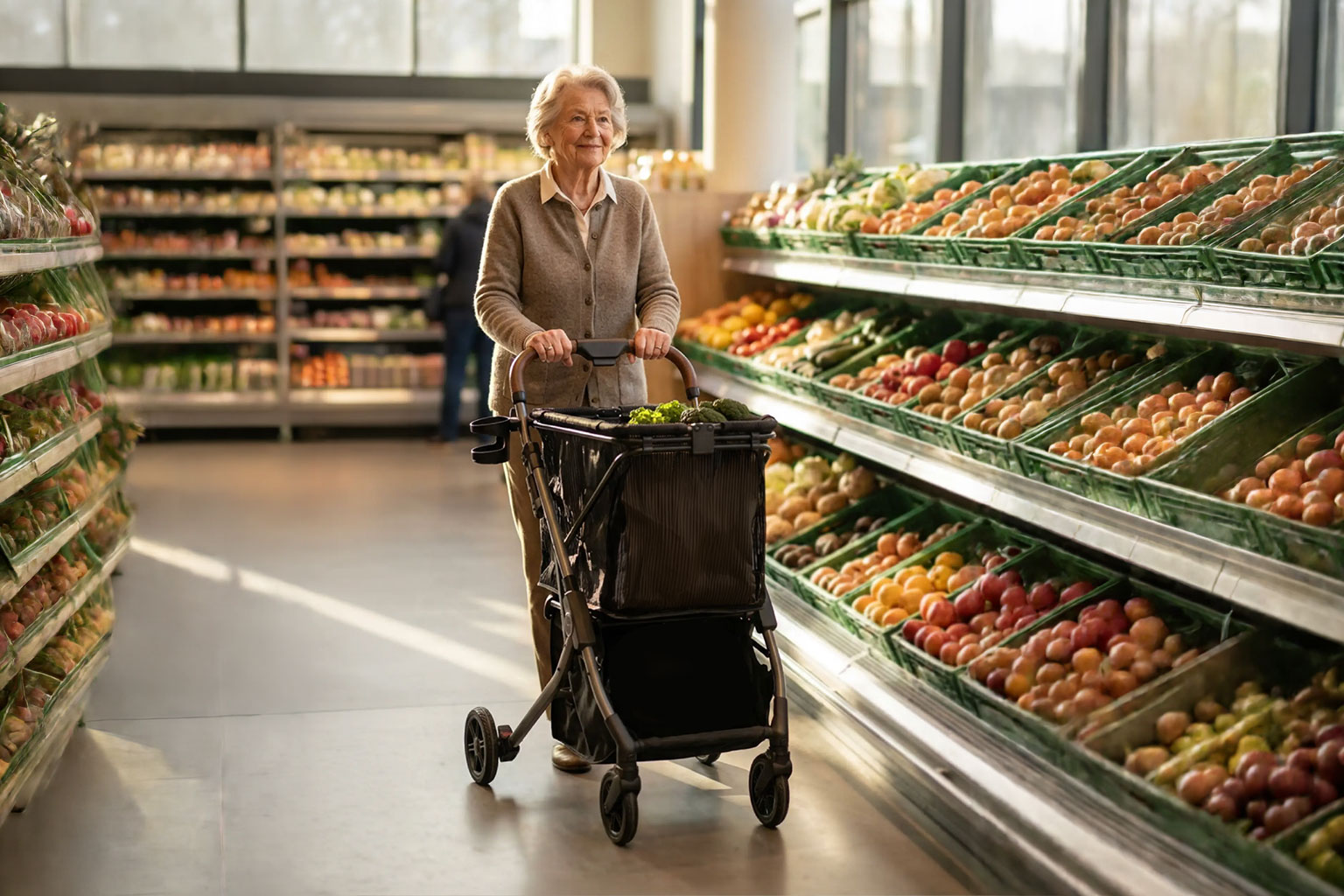
A grocery trip can feel very different when carrying a few bags starts to pull on your shoulder, tire your back, or make the walk to the car feel longer than it used to. The right foldable shopping cart for seniors changes that experience in a practical way. Instead of treating errands like a lifting task, it turns them into something more stable, organized, and manageable.
For many older adults, the goal is not just carrying groceries. It is staying independent, moving with more confidence, and keeping everyday routines simple. A foldable cart can support that goal, but only if it is designed for real use, not just for storing a few items on wheels.
What makes a foldable shopping cart for seniors worth using
A basic cart and a well-designed cart are not the same thing. Some models are little more than a wire basket on wheels. They may hold groceries, but they can feel shaky on uneven pavement, awkward in tight store aisles, and frustrating when folded or unfolded.
For seniors, the details matter more. Stability matters when stepping off a curb. Handle height matters when walking across a parking lot. Wheel size matters when moving over sidewalks, store thresholds, or cracked pavement. If a cart is hard to steer, too heavy to lift, or too flimsy under load, it stops being helpful very quickly.
That is why the best option is usually one that supports the full errand, not just the moment when bags need to be carried. A cart should help with loading, walking, maneuvering, unloading, and storing it at home. Foldability is useful, but only when it comes with stability and everyday comfort.
The features that matter most
When people shop for a cart, they often look first at basket size or price. Those things matter, but they should not be the only decision points. A senior-friendly cart needs to feel secure in motion and easy to live with from day to day.
A stable frame is one of the first things to look for. If the cart wobbles when pushed or pulled, it can create more stress instead of reducing it. A solid frame helps the cart track better and feel more dependable when carrying heavier groceries, household items, or personal belongings.
Wheel design is another major factor. Larger wheels generally handle uneven ground better than small ones. They can make transitions smoother at curbs, door frames, and rough sidewalks. Swiveling front wheels may improve turning in stores, while fixed wheels can sometimes feel steadier outdoors. The best choice depends on where the cart will be used most often.
Handle design also deserves more attention than people expect. A comfortable grip reduces hand strain and helps with control. If the handle is too low, it can encourage a hunched posture. If it is poorly shaped, longer walks can become uncomfortable. Seniors who deal with arthritis or reduced grip strength often benefit from handles that feel secure without requiring a tight hold.
The folding mechanism should be simple. If collapsing the cart takes too much force or several confusing steps, that convenience disappears fast. A good foldable cart should open and close in a way that feels intuitive, especially for users who want to load it into a car trunk or store it in a hallway closet.
Storage options make a difference too. Open baskets are easy to load, but bags, insulated compartments, and organizers can make errands feel more controlled. Separate spaces for delicate items, frozen food, and personal essentials can save time and reduce the need to carry extra tote bags.
Stability is not a bonus feature
For seniors, stability is often the deciding factor. A cart may be lightweight and compact, but if it feels unpredictable while walking, it will not inspire confidence. This becomes even more important for people who are managing fatigue, mild balance concerns, or recovery from an injury.
A more stable cart can help reduce the strain of carrying weight on one side of the body. It can also make walking with purchases feel less rushed and less physically demanding. That does not mean a shopping cart replaces a medical mobility device. It means the right design can make daily errands feel more secure and less tiring.
This is one reason some shoppers look beyond the standard market cart. Products built around both transport and supported movement can offer a more practical fit for real life. Strolee, for example, focuses on carts designed to combine foldability, useful storage, and a more confidence-building experience for everyday routines.
How seniors actually use these carts day to day
The most useful carts are not limited to one weekly grocery trip. They tend to become part of a wider routine. That might mean carrying groceries home from a neighborhood market, bringing laundry to a shared laundry room, moving supplies from the car to the house, or taking personal items to a park, community event, or family outing.
This is where multi-use design matters. A cart that handles groceries well but feels awkward everywhere else may spend more time folded in a corner than in use. A cart that adapts to different errands is more likely to become a dependable everyday tool.
Seniors who live in apartments or condos often benefit most from foldability and maneuverability. Elevators, narrow hallways, and limited storage space all make compact design more important. For suburban users, the priorities may lean more toward wheel performance, trunk-friendly folding, and comfort over longer distances.
Caregivers should think about this too. If you are buying for a parent or older relative, the best product is not always the largest one or the cheapest one. It is the one they will feel comfortable using regularly without needing help every time it comes out of storage.
What to avoid when choosing a foldable shopping cart for seniors
It is easy to assume that any cart with wheels will reduce effort, but some designs create new problems. Very lightweight carts can feel appealing at first, yet they sometimes sacrifice sturdiness. Under a heavier grocery load, they may tip more easily or become harder to control.
Small wheels are another common frustration. They can struggle on sidewalks, catch on uneven surfaces, and make a full cart feel heavier than it should. A cart that performs well only on perfectly smooth floors may not be a good match for daily errands.
Overly complicated accessories can be an issue too. Useful add-ons should improve convenience, not create clutter or confusion. Seniors often benefit most from accessories that solve a clear problem, such as keeping frozen food cold, organizing essentials, or protecting items from rain.
It is also worth being careful with carts that fold very flat but feel unstable when open. Saving a little storage space is not worth much if the cart feels unreliable during use.
Choosing the right cart depends on the routine
There is no one perfect cart for every senior because daily life is not the same for everyone. Someone who walks to the store a few times a week has different needs than someone who drives once a week for a larger shopping trip. A person living in a city apartment may prioritize compact storage and easy steering, while another may care more about outdoor stability and capacity.
That is why it helps to think in terms of routine rather than features alone. Where will the cart be stored? Will it be lifted into a car? Does the user need more support while walking, or mainly help carrying items? How often will it be used on rough pavement or curbs?
Answering those questions usually leads to a better decision than comparing specs in isolation. The right cart should fit naturally into someone’s day. It should make errands feel lighter, not more complicated.
A better cart supports independence, not just storage
The best foldable shopping cart for seniors does more than carry groceries. It supports confidence in everyday movement, reduces physical strain, and helps keep regular routines within reach. That can mean fewer heavy bags on the arms, less stopping to readjust weight, and more freedom to handle errands on your own terms.
A well-designed cart is not about adding another gadget to the house. It is about making ordinary tasks feel more comfortable and more doable. When a cart is stable, easy to fold, and built for real-life use, it becomes part of how people stay active and independent.
If a shopping trip has started to feel harder than it should, that is usually a sign to look for better support, not to give up the routine. The right cart can make that support feel simple, practical, and ready for everyday life.


