
Pet Stroller for Small Dogs: What to Look For
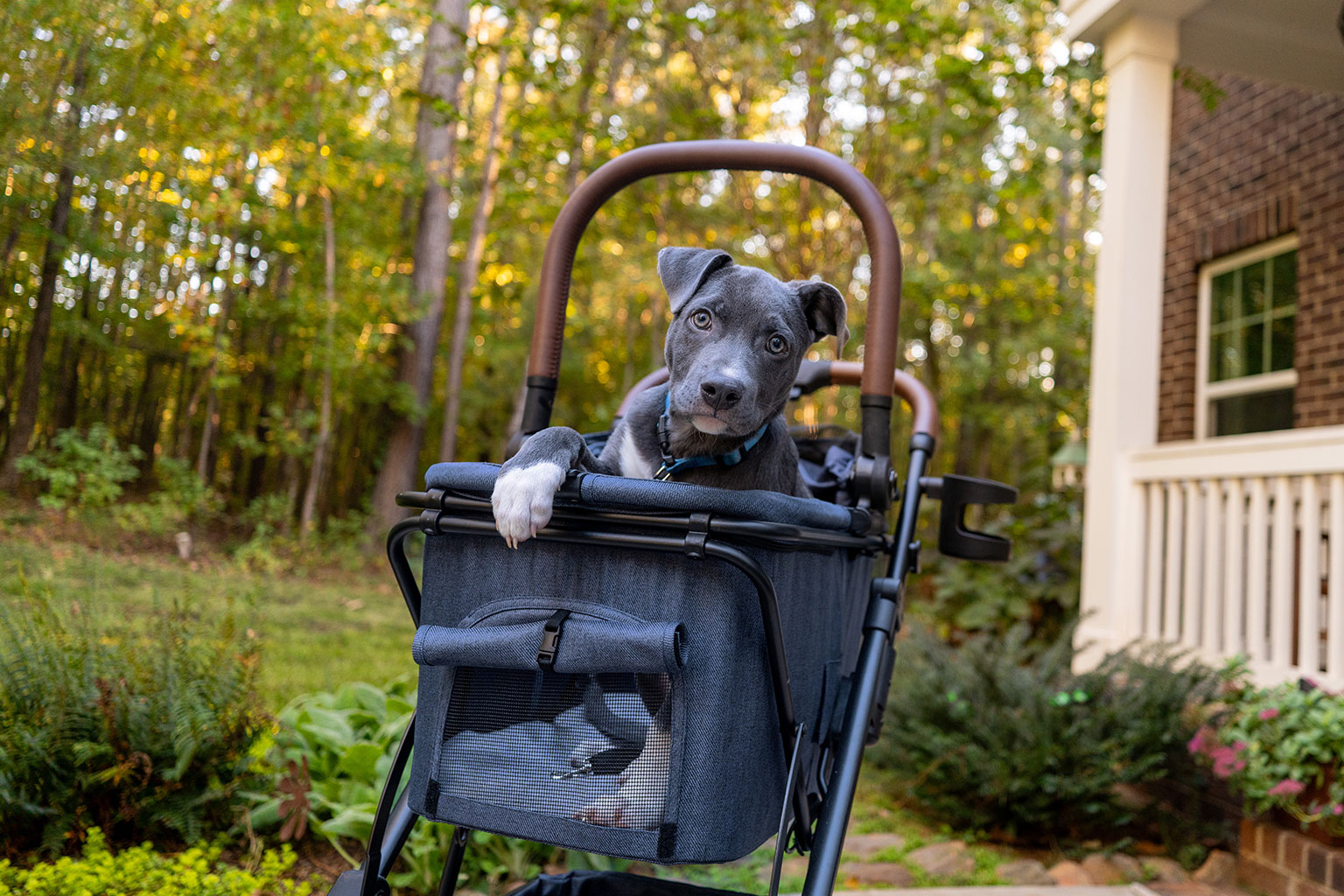
A shaky stroller on a cracked sidewalk can turn a simple walk into a stressful one fast. If you are shopping for a pet stroller for small dogs, the best choice is usually not the one with the most extras. It is the one that feels stable, folds without a struggle, and keeps your dog calm and comfortable from the first block to the last.
For many pet owners, a stroller is not about pampering. It is a practical way to make daily life easier. Small dogs can tire quickly, struggle in hot weather, feel overwhelmed in crowded areas, or need a gentler ride as they get older. A good stroller helps you keep moving through errands, appointments, park walks, and travel days with less strain and more confidence.
Why a pet stroller for small dogs makes sense
Small dogs are easy to carry for a few minutes. They are not always easy to carry through a farmer’s market, a long airport line, or a neighborhood walk that ends with groceries in hand. That is where a stroller becomes useful.
It gives your dog a contained, familiar space while giving you a more organized way to move through the day. That matters for older dogs, puppies that are not ready for long distances, dogs recovering from minor procedures, and pets that get nervous around bikes, crowds, or loud traffic. Even healthy dogs benefit when a walk includes a mix of riding, resting, and short stretches on leash.
The key is choosing a model that fits your routine. Some people need a stroller mostly for weekend outings. Others need one that can handle regular city sidewalks, store visits, or travel. The right answer depends less on trends and more on how you actually live.
The features that matter most
A pet stroller for small dogs should first feel stable. That sounds basic, but it affects everything else. If the frame wobbles when you turn or the wheels catch on uneven pavement, your dog feels it immediately. A stable base creates a smoother ride and makes the stroller easier to push in real-world conditions, not just across a showroom floor.
Wheel design matters here. Larger wheels tend to handle sidewalk seams, curbs, and rougher surfaces better than very small plastic wheels. Swivel front wheels can improve maneuverability in tighter spaces, but they should still track well when you are moving at a normal walking pace. Locking options are useful if you move between crowded indoor areas and outdoor paths.
The cabin should also match the size of your dog, not just their weight. A small dog needs enough room to sit, turn, and lie down comfortably, but too much extra space can make the ride feel less secure. Breathable mesh panels help with airflow and visibility. Many dogs stay calmer when they can see out without feeling exposed.
Safety is not complicated, but it does need attention. An interior tether helps prevent quick jumps when the canopy is open. Reliable brakes are essential when you stop on an incline, at a curb, or while loading bags. A zipper or closure system should open smoothly for you while staying secure once shut.
Comfort for your dog, convenience for you
Pet owners often focus on the seat and forget the handle, basket, and fold. That is a mistake, because if a stroller is awkward for you, it will not get used often.
Padding should be enough to soften the ride without trapping too much heat. A removable liner is especially useful for cleanup. Small dogs track in dirt, shed hair, and occasionally leave surprises behind. Easy-to-clean materials save time and make regular use more realistic.
For you, the handle height should feel natural. If you have to hunch or push with your wrists at an odd angle, even a short outing becomes tiring. Storage is another everyday feature that matters more than people expect. A basket underneath or organizer space near the handle makes it easier to carry water, treats, waste bags, a leash, and your own essentials without juggling everything separately.
Foldability matters too. A stroller can be comfortable and sturdy, but if it is difficult to collapse or too bulky for the trunk, it may stay at home. Look for a fold that feels simple and secure. If you live in an apartment, travel often, or need to lift it in and out of a car, overall weight and folded size become major decision points.
When the lightest option is not the best option
It is tempting to choose the lightest stroller available, especially if portability is your top concern. But lighter does not always mean easier in daily use.
An ultra-light frame may be easy to lift but less planted on uneven ground. If your route includes brick paths, curb transitions, or busier streets, a little more structure can create a calmer, safer ride. On the other hand, if you mostly use the stroller indoors, on smooth pavement, or for occasional short outings, a lighter model may be the more practical fit.
This is where trade-offs matter. A sturdier stroller often gives you better handling and comfort, but it may take up more storage space. A compact model may be easier to fold and carry, but not as smooth over longer distances. The best choice is rarely the one with the biggest feature list. It is the one whose trade-offs fit your routine.
How to match the stroller to your daily life
For neighborhood walks
If your typical route includes sidewalks, crosswalks, and a few rough patches, focus on wheel quality, suspension feel, and braking. You want a stroller that tracks straight, turns easily, and does not rattle with every crack in the pavement.
For errands and store visits
A slimmer frame and good maneuverability matter more here. You need something that moves comfortably through tighter aisles and entryways without feeling oversized. Storage space becomes more important too, especially if you carry personal items or pet supplies while you are out.
For older or tired dogs
A lower step-in height or easy-access opening can make loading simpler. Interior comfort matters more for longer resting periods, and a canopy with good shade coverage can help on warmer days. If your dog needs frequent breaks, a stroller that opens and closes without fuss will make those transitions easier.
For travel and car use
Pay close attention to folded dimensions and lifting weight. A stroller that works well at home but is difficult to fit into a trunk can become frustrating quickly. One-hand folding can be especially helpful when you are managing a leash, keys, or a travel bag at the same time.
A few common buying mistakes
One of the biggest mistakes is choosing by weight capacity alone. Two dogs may weigh the same but need very different cabin sizes based on body length, posture, and how they like to rest.
Another mistake is underestimating how often the stroller will be folded. If you plan to use it for appointments, road trips, or shared storage spaces, folding ease is not a bonus feature. It is central to whether the stroller fits your life.
It is also easy to overbuy. Cup holders, extra windows, and decorative trim can look appealing, but they do not fix poor handling or limited airflow. Start with the essentials: stability, comfort, secure closure, storage, and a practical fold.
What a well-designed stroller should feel like
A good stroller does not need to call attention to itself. It should feel steady when you set off, easy to guide through everyday spaces, and simple to fold when the outing is done. Your dog should settle in without constant shifting or signs of discomfort. You should feel organized, not overloaded.
That is why many shoppers now look for products built around flexibility rather than single-use design. A practical brand like Strolee understands that mobility products work best when they adapt to real routines, fit into smaller storage spaces, and support everyday convenience instead of creating more effort.
If you are deciding between a few models, picture the least glamorous part of your week, not the nicest one. Think about the curb outside your building, the crowded sidewalk near the pharmacy, the quick stop at the market, or the trunk you have to pack on a rainy day. The right stroller is the one that still feels easy there.
A pet stroller should make everyday outings feel lighter, calmer, and more manageable for both of you. When it fits your dog well and works smoothly in your real routine, you will notice the difference almost immediately.

