
Rain Cover for Shopping Cart: What to Look For
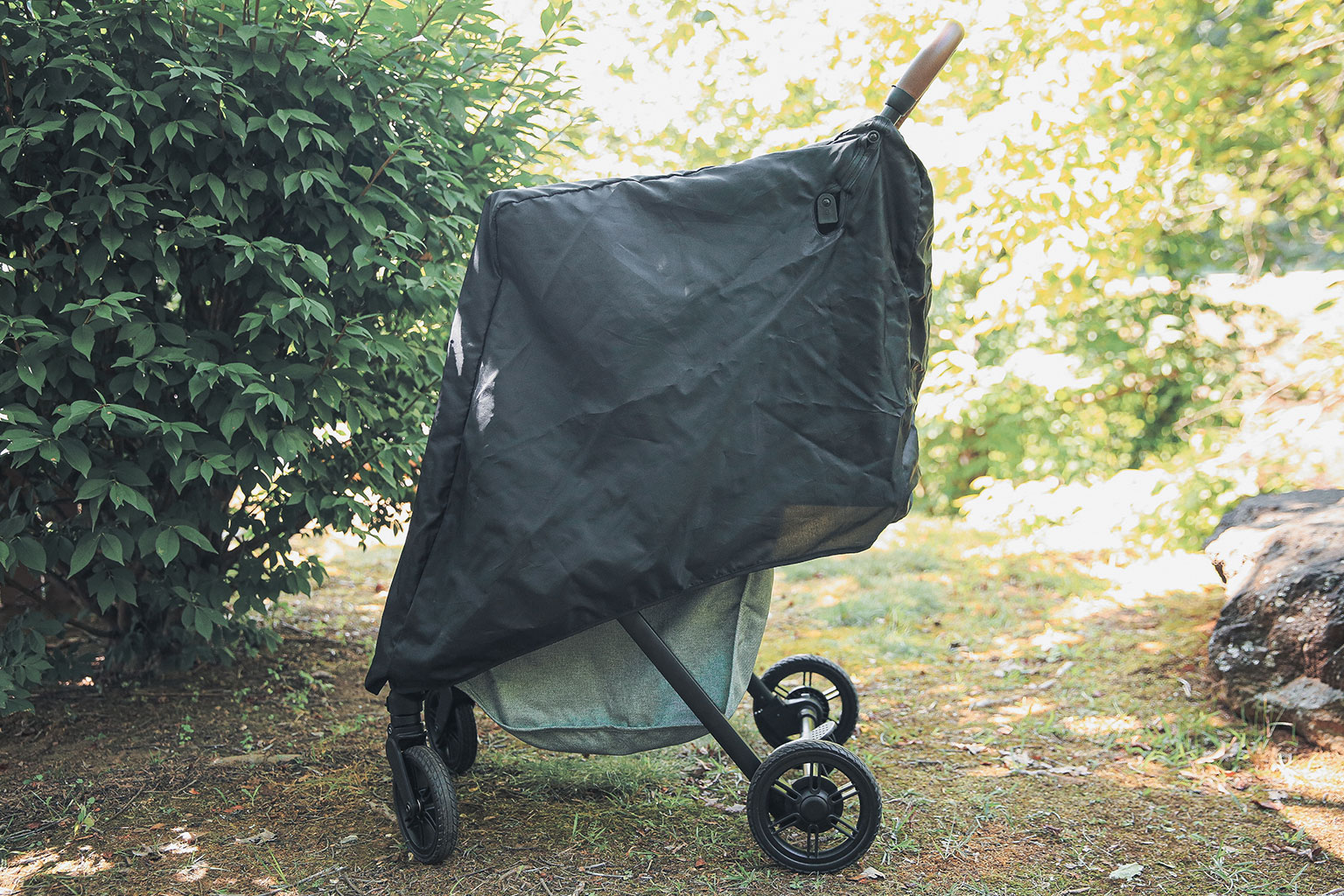
A sudden shower can turn a simple grocery run into a messy, frustrating trip. If you rely on a cart for weekly shopping, school pickups, or carrying daily essentials, a rain cover for shopping cart use is one of those accessories that quickly proves its value the first time the weather changes halfway through your route.
The right cover does more than keep a few bags dry. It helps protect food, paper goods, personal items, and anything else you do not want exposed to rain, road spray, or gusty wind. It also makes errands feel more manageable, especially when you want your cart to adapt to real life instead of forcing you to change plans every time clouds roll in.
Why a rain cover for shopping cart use matters
Most people do not think about weather protection until they need it. That is usually the moment they are halfway home with groceries and trying to shield everything with a jacket, reusable tote, or whatever else happens to be nearby.
A dedicated rain cover solves that problem in a cleaner, more reliable way. It creates a barrier between your belongings and the weather while letting you keep moving at a normal pace. That matters if you shop on foot, use public transportation, or simply prefer not to wrestle with loose bags in the rain.
There is also the issue of what is inside the cart. Produce, bread, pharmacy items, pet supplies, electronics, and paper packaging all react differently to moisture. A little rain may not ruin everything, but it can make a trip harder than it needs to be. Wet cardboard weakens. Labels peel. Packaging tears. Cold items warm up while you stop to reorganize. A cover helps avoid those small problems that add up fast.
What a good rain cover should actually do
Not all covers are equally useful. Some are little more than thin plastic shells, while others are designed to work with the cart instead of against it.
A good rain cover should fit securely without sagging or shifting every few steps. If it is too loose, water can pool on top or blow underneath. If it is too tight, it may be frustrating to put on quickly when the weather changes. The best fit usually feels tailored, with enough structure to stay in place but enough flexibility to handle full or partially loaded carts.
Material matters too. You want a cover that resists water without becoming stiff, cloudy, or awkward to fold. Clear panels can be especially helpful because they let you see what is inside the cart without opening the cover in the rain. That may sound like a small detail, but it saves time when you need to grab a wallet, phone, or shopping list.
Ease of use is another big factor. In real life, no one wants an accessory that takes several minutes to attach. A practical cover should go on quickly, come off without a struggle, and fold down neatly when the sky clears. If it turns into a tangled bundle every time, you are less likely to carry it with you.
Fit is not a small detail
When people shop for a rain cover for shopping cart models, they sometimes assume universal sizing will be fine. Sometimes it is. Often it is not.
Shopping carts vary in frame shape, basket depth, handle position, and folding design. A cover made for a generic cart may technically fit, but still leave gaps at the sides or bunch awkwardly around the top. That can reduce visibility, interfere with loading, or make the cart feel bulkier than it should.
A cover designed for a specific cart or a closely matched shape usually performs better. It sits more cleanly, moves less in windy weather, and gives better access to the basket. That matters when you are making frequent stops or carrying a mix of groceries and personal items.
If your cart folds for storage, it also helps to check whether the cover is easy to remove and store alongside it. A smart accessory should support portability, not add one more awkward item to manage.
Weather protection is about more than rain
Rain is the obvious reason to use a cover, but it is not the only one. A well-made cover can also help in light wind, drizzle, and splashing from wet sidewalks or parking lots. If you walk near traffic, road spray can be just as annoying as rain from above.
There is a comfort factor here too. When your items are protected, you can focus on getting where you need to go instead of constantly checking the cart. That kind of practical reassurance is easy to overlook until you have experienced both versions of the same errand – one where everything stays protected and one where you spend the whole trip adjusting bags and wiping things down.
Of course, no cover makes a cart completely weatherproof in every condition. Heavy downpours, strong crosswinds, and repeated opening and closing will still expose the contents to some moisture. It depends on how long you are outside and how well the cover is fitted. The goal is not perfect isolation. The goal is dependable protection that makes everyday outings easier.
Features worth paying attention to
Some features are genuinely useful, while others sound good on a product page but do very little once you are outside.
Transparent panels are one of the most practical features because they preserve visibility and make the cart easier to use without constantly lifting the cover. Secure fastenings also matter. Whether a cover uses hook-and-loop tabs, snaps, elastic edges, or another method, it should stay put without making removal annoying.
A compact fold is another benefit that deserves more attention. The best rain cover is often the one you actually keep with you. If it folds down small enough to tuck into an organizer bag or storage pocket, it becomes part of your routine instead of an accessory you leave at home.
You may also want to consider how the cover handles repeated use. Thin materials can be lightweight, which is nice, but they may wear out faster at corners or attachment points. A slightly sturdier cover may be the better choice if you use your cart often and want something built for regular errands, not occasional emergencies.
When a rain cover makes the biggest difference
For some shoppers, a cover is optional. For others, it quickly becomes essential.
If you walk to stores instead of driving, use transit, or shop year-round in a rainy climate, the value is obvious. The same is true if you carry a mix of groceries and everyday essentials that cannot easily be replaced if they get soaked. Caregivers often appreciate a cover because routines do not always pause for weather. Pet owners using modular cart systems may also benefit from weather protection that works with the setup they already use.
This is where product ecosystems matter. A cart that is designed to work with accessories like organizer bags, insulated inserts, and weather covers tends to feel more useful over time because each part supports the others. That is a more practical approach than trying to adapt unrelated accessories that almost fit but never work quite right.
Choosing a cover that fits your routine
The best choice depends on how you use your cart. If your errands are short and mostly involve quick store visits, you may only need a lightweight cover that is easy to stash and attach in seconds. If you spend longer stretches outdoors, a better-fitted and more durable cover may be worth it.
Think about your usual route. Are you walking several blocks? Navigating parking lots? Taking buses or trains? Carrying fresh groceries plus household items? Those details affect what kind of cover will feel convenient instead of cumbersome.
It also helps to be realistic about how often you will use it. If rain is common where you live, a cover should feel like part of the cart, not an afterthought. That is where brands like Strolee stand out best – when accessories are built around how people actually move through errands, routines, and changing weather.
A rain cover may not be the first accessory people buy, but it is often one of the first they appreciate once they have it. Dry groceries, fewer interruptions, and a smoother trip home are simple benefits, but they make everyday life easier in exactly the way a good cart should.

