
How to Fold a Shopping Cart the Easy Way
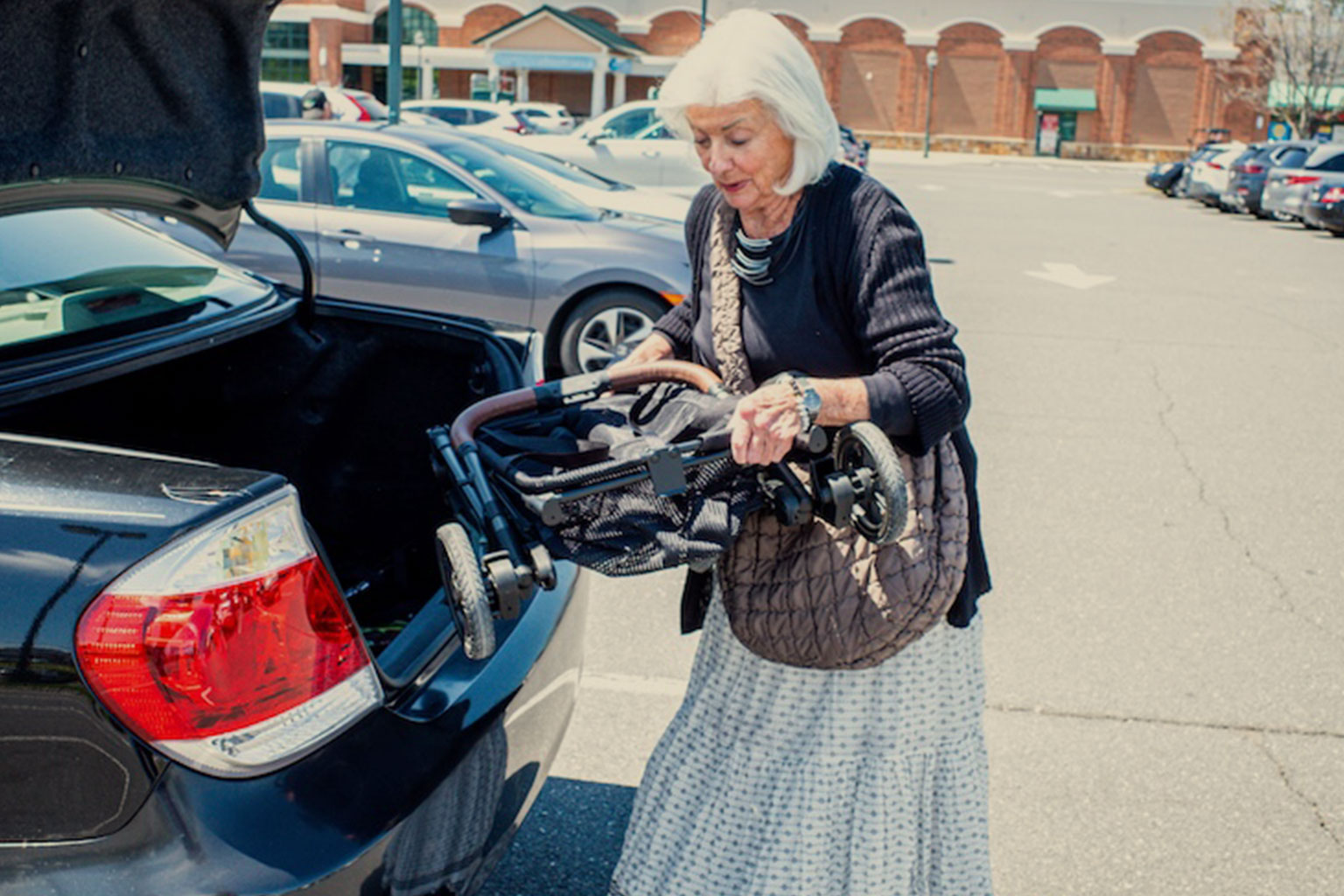
A shopping cart is most useful when it helps before and after the trip. If it takes too much effort to store in a car trunk, tuck into a closet, or carry onto public transit, it stops feeling convenient. That is why knowing how to fold a shopping cart properly matters just as much as knowing how to load it.
The good news is that most foldable carts are designed to collapse in a few seconds once you know where the release point is and how the frame moves. The exact motion can vary by model, but the process is usually simple, controlled, and easy to repeat once you have done it a few times.
How to fold a shopping cart step by step
Before folding, start with the cart completely empty. Remove grocery bags, personal items, and any loose accessories that could shift while the frame closes. If your cart has add-ons such as an organizer, insulated bag, cup holder, or weather cover, check whether they stay attached during folding or need to come off first.
Next, park the cart on a flat surface and make sure all four wheels are steady. If your model has a brake or wheel lock, engage it first. This keeps the cart from rolling as you handle the frame and gives you better control.
Most folding carts use one of three release systems: a center latch on the frame, side hinges that collapse inward, or a handle release that lets the cart flatten vertically. Look near the middle of the frame, just below the basket area, or around the handle supports. If you feel resistance, stop and check for the latch rather than forcing the frame.
Once you find the release point, hold the cart with one hand on the handle and the other on the frame. Press, pull, or lift the release as designed, then guide the cart inward slowly. The key word here is guide. A foldable cart should close with controlled movement, not with a snap or a twist.
As the frame collapses, the basket or fabric compartment usually folds in on itself. Some models fold front-to-back, while others pull upward into a flatter shape. If the wheels rotate or tuck inward, let that happen naturally rather than trying to reposition them too early.
When fully folded, check that the cart has locked into its compact position if your model includes a storage latch. That small detail makes a big difference when lifting the cart into a car or standing it against a wall.
What to check before you fold
If folding feels harder than it should, the issue is often not the frame itself. It is usually something simple that is blocking the fold path. A bag strap may be caught on the handle, the fabric compartment may be overstuffed, or an accessory may be pressing against a hinge.
Take a quick look at the sides of the cart and around the basket edge. Fabric should be sitting naturally, not stretched tightly over the frame. If your cart includes a removable liner or structured bag, make sure it is seated correctly. Even a well-designed folding cart can feel awkward if one panel is out of place.
Wheel alignment can also affect how easily a cart closes. Swivel wheels sometimes settle at an angle after a trip, especially if you have rolled over curbs, uneven pavement, or store thresholds. Straightening the wheels first can make folding smoother.
Why some carts fold faster than others
Not every foldable shopping cart closes in exactly the same way, and that is not a flaw. It is often the result of design priorities. A larger cart with more storage capacity may need a slightly more structured fold. A very lightweight cart may collapse faster but offer less storage or fewer accessory options.
That trade-off matters when choosing a cart for daily life. If you use your cart for weekly grocery trips, farmers markets, or travel between the car and home, a more stable frame with a clean folding system may be worth a slightly more deliberate close. If your main priority is quick portability for short errands, a lighter and flatter fold may be the better fit.
Strolee designs its foldable carts around that balance – practical storage, dependable stability, and everyday convenience without making the folding process feel complicated.
Common problems when learning how to fold a shopping cart
The most common mistake is trying to fold the cart while it is still partially loaded. Even a few items can put uneven pressure on the frame and make the release feel stuck. Emptying the cart first is the easiest way to avoid strain and protect the folding mechanism.
Another issue is pulling from the wrong point. People often grab the basket edge or push down on the handle without activating the release latch. That can make the cart seem jammed when it is really just locked in its open position.
Sometimes the cart starts to close on one side but not the other. In many cases, this means the frame is folding unevenly. Reopen it gently, reset your grip, and collapse it again using even pressure from the center. If one side is consistently stiffer, inspect the hinge area for dirt, packaging material, or a trapped fabric seam.
It is also normal for a brand-new cart to feel a little firm at first. Fresh hinges and folding joints often loosen slightly after several uses. Firm does not mean faulty. It usually means the frame is new and still settling into regular motion.
How to fold a shopping cart for car storage
If you plan to keep your cart in the car, folding it compactly is only part of the job. You also want to store it in a way that keeps it clean, easy to reach, and ready for the next errand.
After folding, place the cart with the wheels facing down or to the side, depending on your trunk layout. If the wheels have picked up moisture or dirt, a simple mat or towel under the cart helps protect the cargo area. This is especially useful after rain or after rolling through parking lots and sidewalks.
Leave enough room around the folded frame so it does not get wedged under heavier items. A foldable cart should be quick to remove when you arrive at the store. If you have to unload the whole trunk to reach it, you lose much of the convenience.
For shoppers who alternate between errands, pet outings, and family pickups, a foldable cart that stores flat can make day-to-day transitions much easier. That is one reason compact folding matters so much in real use, not just in product specs.
Storing your cart at home without hassle
At home, the best storage spot is usually the one closest to the door you use most. A folded cart can fit in a hall closet, laundry room corner, pantry edge, mudroom, or garage wall space. The goal is simple access.
If a cart is stored too far out of the way, people are less likely to use it for quick trips. Keeping it nearby turns it into part of the routine rather than something you remember only for large shopping days.
Try to store the cart dry and clean, especially if it has fabric panels or attached accessories. Letting it air out after wet weather helps preserve the material and keeps it ready for the next outing.
A few handling tips that make folding easier over time
A foldable cart lasts longer when it is handled with steady, even movement. You do not need to baby it, but you also should not force it closed in a hurry. Taking an extra few seconds to empty the compartment, straighten the wheels, and use the release properly helps the mechanism work as intended.
It also helps to practice folding and reopening the cart at home before using it on a busy day. That small bit of familiarity removes stress when you are in a parking lot, boarding transit, or packing up after shopping.
If you share the cart with a spouse, parent, or caregiver, show them the folding motion once or twice. A cart is more useful when everyone in the household can open it, fold it, and store it confidently.
Once you understand how your model is designed to close, folding becomes second nature. And when a shopping cart folds easily, stores neatly, and is ready when you need it, everyday errands feel a little lighter from start to finish.

