
Independence Aids for Daily Errands That Help
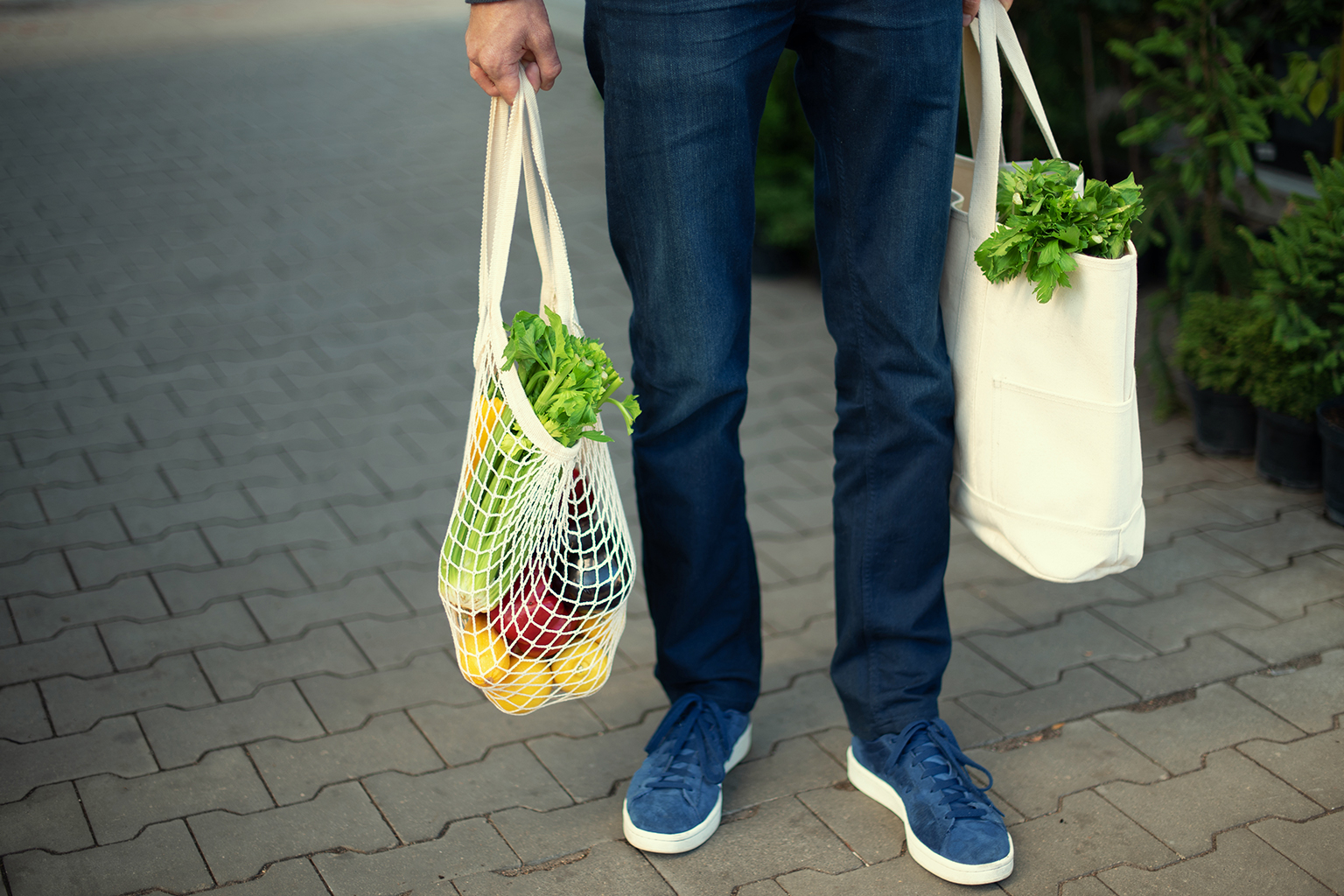
The hard part about errands is rarely the errand itself. It is the carrying, the stopping and starting, the awkward bags, the curb at the wrong moment, and the feeling that a quick store run takes more energy than it should. The right independence aids for daily errands can change that. They help reduce strain, keep essentials organized, and make ordinary routines feel more manageable again.
For many adults, that difference matters more than speed. It is about being able to shop on your own, walk a little farther with more confidence, bring home what you need, and avoid turning every outing into a planning exercise. Good support tools do not complicate life. They adapt to it.
What independence aids for daily errands should actually do
Not every mobility or carrying solution is useful in real life. Some are too bulky for apartments, too flimsy for uneven sidewalks, or too limited to handle more than one task. When people look for independence aids for daily errands, they usually need a combination of support, storage, and convenience.
That means a product should be easy to steer, easy to fold, and practical to use in small stores, on neighborhood walks, or while moving between the car and the house. It should also work with the rhythm of a normal day. If it takes too much effort to load, unload, or store, it tends to stay at home.
The most helpful options reduce friction in small but important ways. A stable frame helps things feel more controlled. A comfortable handle improves longer outings. Well-placed storage keeps a phone, wallet, water bottle, and shopping list within reach instead of buried at the bottom of a bag.
Why carrying less by hand changes the whole errand
Many people underestimate how much energy gets spent simply carrying things. A gallon of milk, a few canned goods, pet supplies, pharmacy items, and household basics add up quickly. Even when each item feels manageable on its own, the combined weight can make an outing tiring fast.
That is why a foldable shopping cart is often one of the most practical independence aids for daily errands. Instead of shifting weight from one hand to the other or juggling reusable bags, you can move items more comfortably and keep them contained. The benefit is not only physical. It also helps you stay organized and less rushed.
There is a mental ease that comes from knowing you can pick up what you need without wondering how you will carry it back. That confidence often leads people to do more for themselves, more often, without waiting for help or putting off simple tasks.
The best tools are built for more than one job
Single-purpose products can be useful, but daily life rarely happens one task at a time. You may be heading to the grocery store, stopping at the pharmacy, carrying a handbag, and walking with a pet all in one trip. That is where flexibility matters.
A well-designed cart system can do more than transport groceries. It can help organize personal items, hold cold food in an insulated bag, protect contents from rain, and fold away when not in use. Modular accessories are especially useful because they let people set up their cart for the day they are actually having, not the one the product designer imagined.
This is where practical design stands out. A cup holder may sound small, but on a longer outing it keeps one less thing in your hands. An organizer bag prevents constant searching. A rain cover helps keep errands on track when the weather changes unexpectedly. These features are not extras for the sake of extras. They reduce the little inconveniences that make errands feel harder than they need to be.
Choosing independence aids for daily errands based on your routine
The right option depends on where and how you move through the day. Someone in a city apartment may care most about foldability, storage footprint, and easy maneuvering through narrow aisles. Someone in a suburban area may need enough capacity for larger grocery runs and simple loading in and out of a car trunk.
If fatigue is a concern, look at overall weight and how easily the cart rolls when full. A lightweight frame can make a big difference, but only if it still feels steady and dependable. If organization is the bigger issue, accessory options matter more. If weather is part of the challenge, protective covers and easy-clean materials become more valuable.
Pet owners often have another layer to think about. Errands are easier when pet transport can be part of the same setup instead of requiring a separate carrier or an entirely different stroller. For families and caregivers, adaptability matters even more because needs can change from one outing to the next.
The best choice usually is not the one with the longest feature list. It is the one you will realistically use several times a week because it fits your routine without adding hassle.
What to look for in a cart that supports everyday independence
A strong frame is the starting point, but it is not the whole story. Real usability comes from how all the parts work together. Wheels should move smoothly over everyday surfaces like pavement, store floors, and parking lots. The handle should feel natural in hand, not awkward or too low. Folding should be quick enough that it does not become a chore.
Storage design matters just as much as structure. Open baskets are easy to load, but enclosed or modular bags often keep items more secure and organized. If you regularly buy frozen food, an insulated freezer bag can help protect temperature-sensitive items during the trip home. If you carry medications, paperwork, or personal items, separate compartments can make everything easier to find.
It also helps to think ahead about where the cart lives when you are not using it. A product that folds compactly is easier to keep by the door, in a closet, or in the trunk so it is ready when needed. Convenience is not only about use during the errand. It is also about how easily the product fits into the rest of your home and schedule.
Confidence comes from reliability, not complexity
People do not want to feel like they need instructions for a grocery run. That is why the most effective independence aids for daily errands tend to be the ones that feel intuitive from the first use. They should be easy to assemble, easy to understand, and easy to trust.
Reliability shows up in simple ways. The cart opens when you need it. It folds when you are done. It holds what you expect it to hold. Accessories attach securely and stay useful over time. There is no guesswork, and that matters.
A dependable system can also make outings feel less tiring emotionally. When you know your essentials are organized and your purchases are easier to transport, you can focus on where you are going instead of on every step of the process. That shift is what many people really want. Not a dramatic lifestyle change, just a smoother ordinary day.
Small upgrades can make errands feel easier right away
Not every improvement requires a major change. Sometimes a better cart setup, a freezer bag, or an organizer pouch is enough to make errands noticeably easier. The goal is not to add more gear. It is to remove friction.
That is one reason adaptable systems work so well for everyday use. You can keep the setup simple for a quick local trip, then add storage or weather protection for a longer outing. Strolee is built around that kind of flexibility, with foldable carts and accessories designed for real routines rather than one idealized use case.
If you are choosing between options, focus on what regularly slows you down now. Is it carrying weight? Keeping items organized? Managing rain, pet supplies, or cold groceries? The best solution is the one that solves your most common problem first and still gives you room to adjust as needs change.
Daily errands are part of life, not a special event. The tools you use should respect that. When independence aids are practical, stable, and easy to live with, they do more than help you get from one stop to the next. They make everyday life feel more within reach.


