
Pet Stroller vs Pet Carrier: Which Fits Best?
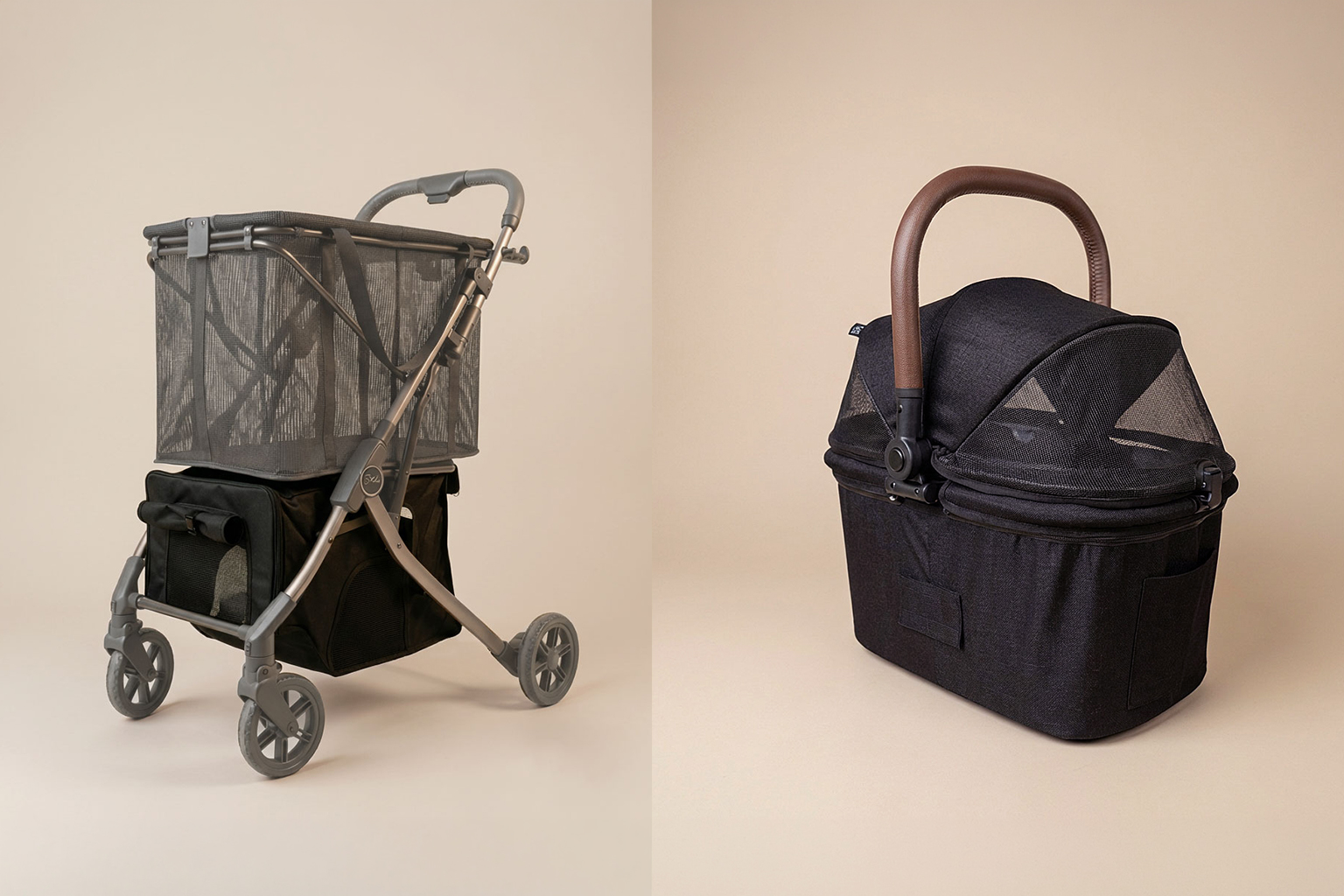
You notice the difference quickly when your pet slows down halfway through a walk, gets anxious in busy places, or simply refuses to be carried another block. That is usually when the question becomes real: pet stroller vs pet carrier – which one actually makes daily life easier for both of you?
The right answer depends less on trends and more on routine. A carrier works well when you need something compact, close, and easy to lift. A stroller makes more sense when comfort, longer outings, or less physical strain matter most. Both solve a problem, but they solve different ones.
Pet stroller vs pet carrier: the real difference
A pet carrier is built for containment and portability. It keeps your pet close to your body or in hand, which can feel secure for nervous cats, small dogs, or pets moving through short transitions like a car ride, a vet waiting room, or an elevator. It is usually the better fit for quick transport and tighter spaces.
A pet stroller is built for movement over time. Instead of asking you to hold your pet’s full weight, it gives them a stable place to sit or lie down while you keep moving comfortably. That matters on longer walks, crowded sidewalks, travel days, or outings where your pet may tire before you do.
The biggest difference is not just how the product looks. It is where the weight goes, how long your pet stays inside, and how much comfort you need from the setup.
When a pet carrier makes more sense
Carriers are practical because they are simple. If your pet is small, your outing is short, and you mostly need a safe enclosed space from point A to point B, a carrier often does the job well.
This is especially true for vet visits, short car trips, apartment living, and pets that feel calmer in a more enclosed environment. Many cats prefer that tighter, den-like feeling. Some small dogs do too, especially if they get overstimulated around traffic, strangers, or other animals.
A carrier can also be easier if storage space is limited. It takes up less room at home and can be the better option when you do not need wheels, extra accessories, or longer comfort features.
But there is a limit to that convenience. Once the outing gets longer, your shoulder, arm, or back starts doing the work. Even a small pet becomes heavy over time. If you are also managing bags, errands, or public transportation, a carrier can stop feeling convenient very quickly.
When a pet stroller is the better fit
A stroller is usually the better choice when your pet needs support during the outing, not just transport at the beginning or end. Senior pets, small breeds with limited stamina, recovering pets, and pets who enjoy being outside but cannot comfortably walk long distances often do much better in a stroller.
It is also the more practical option for owners who want less lifting and carrying. That matters if you are walking farther, spending time outdoors, navigating shops or markets, or simply trying to make daily routines smoother.
A good pet stroller gives your pet space, airflow, visibility, and a more settled ride. For many animals, that means less stress. For many owners, it means less strain. Instead of constantly adjusting a strap or shifting weight from one side to the other, you can move at a steady pace and keep essentials organized.
For real-life routines, that difference adds up. A stroller is not only about pampering a pet. It is often about extending the kinds of outings you can comfortably do together.
Comfort matters more than people think
If you are comparing pet stroller vs pet carrier, comfort is where the gap often becomes clear.
In a carrier, comfort depends on how long your pet will be inside and how they handle confinement. Some pets settle immediately. Others overheat, shift around, or become restless because there is not enough room to change position easily. That does not make carriers bad. It just means they are better for shorter windows of time.
In a stroller, the comfort advantage usually comes from space and ride quality. Your pet can sit up, turn slightly, or lie down more naturally. Ventilation tends to be better, and the motion can feel more stable than being carried against a moving body. For older pets or pets with joint issues, that extra support can make outings possible again.
Owner comfort counts too. A product that reduces strain is often the one that gets used more often. If carrying your pet leaves you tired before the outing even starts, a stroller can be the more dependable everyday solution.
Safety depends on the setting
Neither option is automatically safer in every situation. It depends on where you are going and how your pet behaves.
A carrier offers close control. In a busy parking lot, a vet office, or a train station, that can be useful. Your pet is enclosed and close to you, which may reduce escape risk during short transitions.
A stroller offers a different kind of safety. It keeps your pet contained while reducing the chance that you will need to set them down, shift your grip, or stop because the weight becomes uncomfortable. On longer walks, that can create a steadier experience for both of you. Many owners also appreciate having storage space for water, treats, or weather protection instead of juggling multiple items by hand.
The better safety choice is often the one that matches your actual routine. If your trips are brief and contained, a carrier may be enough. If your outings involve distance, fatigue, or multiple stops, a stroller may help you stay more organized and in control.
Travel, errands, and everyday use
This is where many buyers make the wrong comparison. They focus on the product instead of the day.
Think about what your routine really looks like. Are you heading to the veterinarian and straight back home? A carrier may be all you need. Are you taking your dog on a neighborhood walk, stopping for coffee, picking up a few items, and spending an hour or two out? A stroller starts to look much more useful.
For urban and suburban life, ease matters. Foldability, storage, and how quickly something fits into your car or home are not small details. They determine whether a product supports your routine or becomes one more thing to manage. That is why many pet owners move toward stroller systems that adapt more easily to errands, longer walks, and changing needs over time.
A well-designed stroller can also feel less limiting as your pet ages. What starts as a convenience for a tired puppy or anxious small dog may later become the easiest way to keep a senior pet included in daily outings.
Cost is not just about the purchase price
Carriers are usually cheaper upfront, and for some households that is reason enough to choose one. If you will only use it occasionally, that may be the right call.
But long-term value depends on frequency and fit. If a carrier stays in the closet because it is uncomfortable to use, it was not the better value. If a stroller supports regular walks, errands, travel, and pet comfort over several years, the higher upfront price can make practical sense.
This is where thoughtful design matters. Strolee focuses on products built for real life, where portability, flexibility, and everyday convenience all need to work together. For pet owners who want gear that fits into existing routines instead of complicating them, that approach can make a noticeable difference.
How to choose between a pet stroller and a carrier
Start with three questions. How long will your pet usually be inside it? How much lifting do you want to do? And what kind of outings are most common for you?
If your answer is short trips, small spaces, and minimal use, a carrier is likely enough. If your answer includes longer outings, older pets, reduced stamina, or a desire for easier daily movement, a stroller is often the better investment.
It also helps to be honest about your pet’s temperament. Some pets feel calmer when held close. Others relax more when they have room, airflow, and a stable place to observe the world. Choosing based on your pet’s behavior, not just size, usually leads to a better result.
The best choice is the one you will use confidently and consistently. Your routine, your comfort, and your pet’s needs all matter.
If you are still deciding, think less about which option sounds more convenient in theory and more about which one would make your next ordinary outing easier. That is usually where the right answer shows up.


