
Compact Cart for Apartment Living That Works
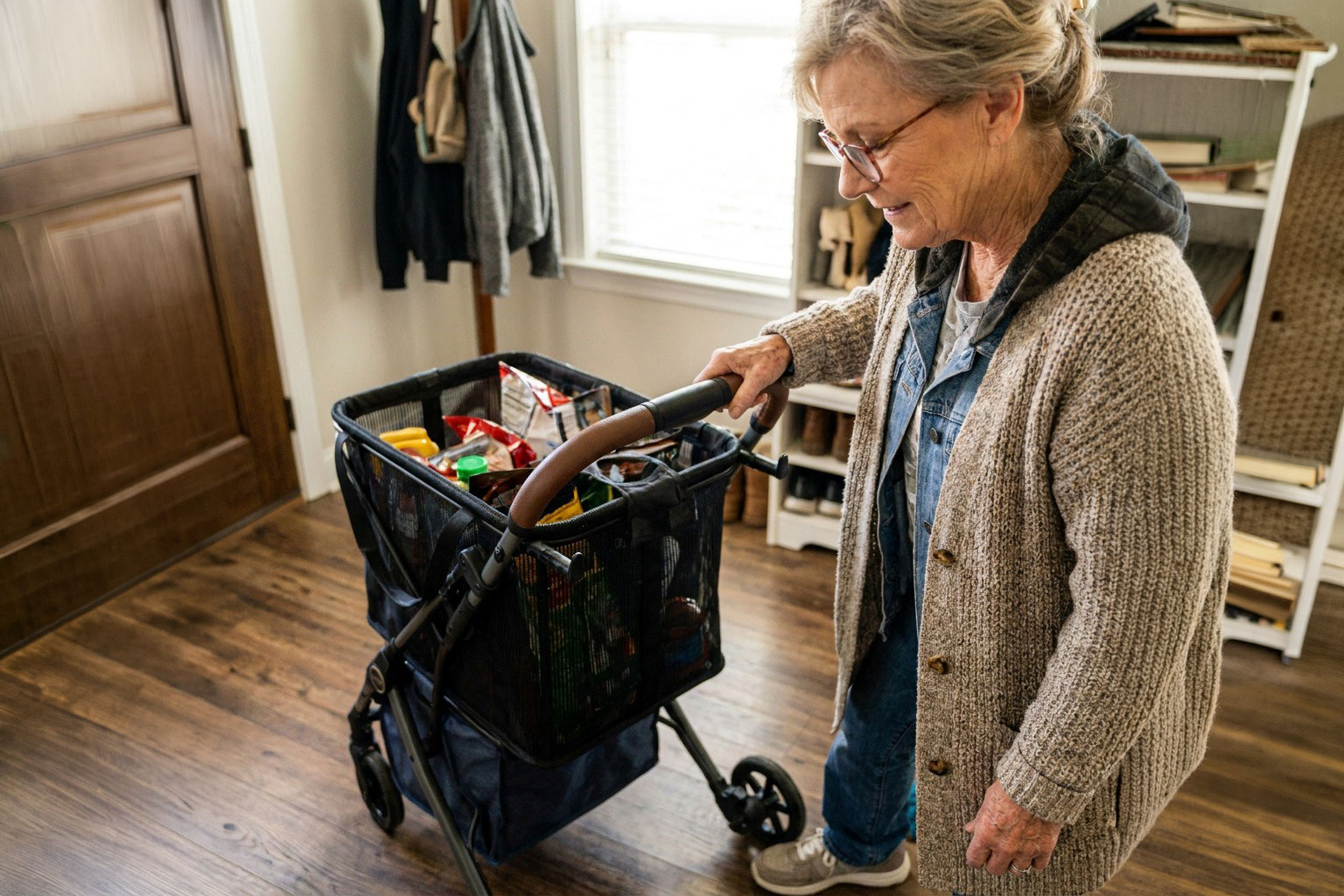
Apartment living teaches you very quickly which everyday items earn their space. If something is bulky, awkward to store, or only useful once in a while, it becomes a frustration. That is exactly why a compact cart for apartment living matters – not as an extra gadget, but as a practical tool that helps with groceries, laundry, pet supplies, packages, and all the small loads that add up over a week.
The challenge is that not every small cart is actually apartment-friendly. Some fold, but still take up too much room in a hallway closet. Some look lightweight, but feel unstable when the bag gets heavy or the sidewalk turns uneven. Others are fine for one purpose and inconvenient for everything else. In a smaller home, the best cart is the one you can use often, store easily, and trust to handle real errands without making the trip harder.
What makes a compact cart for apartment living useful
Space is the obvious factor, but it is not the only one. A cart can be technically compact and still be a poor fit for apartment routines. What matters more is how it behaves in the spaces you actually use – entryways, elevators, narrow doors, shared laundry rooms, parking garages, and crowded sidewalks.
A good apartment cart should fold down without a struggle and stand or tuck away neatly when not in use. That sounds basic, yet it makes a difference when you are returning home with full hands and do not want to wrestle with latches or loose parts. If you need to prop it awkwardly against a wall or block a closet to store it, it stops being convenient.
It also needs to feel balanced in motion. Many apartment errands involve stop-and-go movement: through a lobby, across a curb, into an elevator, then down a hallway. A cart that rolls smoothly but feels shaky under weight can create more stress than it saves. Stability, frame design, and wheel quality all affect whether the cart feels dependable or flimsy.
Then there is flexibility. In apartment life, one day you are carrying groceries, the next day a stack of parcels, and later a bulky bag of paper towels or pet food. A compact cart earns its keep when it adapts to different errands without demanding a different setup every time.
The storage question matters more than size alone
People often focus on folded dimensions, and that is reasonable, but storage is really about fit. A cart with a slim folded profile can slide beside a coat rack, into a closet corner, or behind a door more naturally than a wider rigid frame. If you live in a studio or one-bedroom apartment, even a few inches matter.
The best option is usually one that folds flat enough to disappear into your routine rather than becoming part of the room. You should not have to redesign your entryway around it. If you have limited storage, look for a cart that can stay near the door without feeling intrusive.
Weight matters here too. A foldable cart that stores compactly but is heavy to lift into place may not feel easy in daily use. For many people, especially those making repeated trips in and out of the building, a lightweight frame is part of what makes the product truly apartment-friendly.
Why wheels and frame design matter in city routines
Apartment living rarely means smooth, uninterrupted travel. Even short errands can include cracked pavement, threshold bumps, elevator gaps, and curbs. That is why the wheel setup matters more than many people expect.
Small hard wheels can be fine on indoor floors, but they often struggle outdoors. A more capable wheel design tends to feel steadier and less jarring across uneven surfaces. You notice that most when the cart is loaded and you are trying to keep things organized instead of shifting around with every bump.
Frame design also affects control. A well-built cart feels easier to guide around corners and through tighter spaces. It should move with you, not drift or wobble. In an apartment building, that kind of control makes daily trips less tiring and less awkward, especially in shared spaces where you need to maneuver politely and quickly.
Apartment errands are easier when one cart handles more than one job
Single-purpose products can be hard to justify in a small home. A cart that only works for grocery runs may still be useful, but one that supports a broader range of everyday tasks offers much better value.
That might mean using it for the farmers market on Saturday, a pharmacy run on Monday, laundry on Wednesday, and package pickup any time during the week. For some households, it may also mean carrying picnic supplies, baby essentials, or pet items. The more naturally a cart moves between those uses, the less likely it is to end up forgotten in a corner.
This is where modular accessories can make a real difference. An organizer bag, insulated bag, cup holder, rain cover, or lower pet carrier can turn the same base cart into something much more practical across different routines. Not everyone needs every add-on, of course. If your trips are mostly groceries and household basics, a simple setup may be enough. But if you want one product that adapts as your day changes, accessories can extend usefulness without taking up the space of separate equipment.
Choosing a compact cart for apartment living without overbuying
It is easy to get distracted by extra features that sound helpful but do not match how you actually live. The smarter approach is to start with your most common trip.
If your main goal is bringing groceries home from a nearby store, prioritize folding ease, bag capacity, and smooth rolling. If your building has a long hallway or elevator ride, think about turning space and overall control. If you walk several blocks outside, wheel quality and frame stability become more important than a slightly smaller folded size.
There is always a trade-off. A very minimal cart may store beautifully but offer less structure and fewer carrying options. A more fully featured cart may take up a bit more space, but give you better comfort, organization, and long-term usefulness. Neither choice is wrong. It depends on whether your biggest problem is storage, carrying capacity, or everyday versatility.
For many apartment residents, the sweet spot is a foldable cart that feels compact at home but substantial enough for repeated weekly use. That balance tends to serve people better than going to either extreme.
A compact cart for apartment living should feel easy, not fussy
The best products for small-space living are usually the ones that reduce friction. They do not ask for extra thought every time you use them. A compact cart should open when you need it, fold when you do not, and move through your routine without becoming another task to manage.
That includes details people sometimes overlook, such as handle comfort, how secure the bag feels, and whether the cart remains tidy and upright when loading or unloading. Small design choices shape whether the experience feels calm and organized or inconvenient and distracting.
Brands that focus on stability, foldability, and modular everyday use tend to understand this better than brands that treat carts as generic utility items. Strolee, for example, is built around that practical idea – equipment that adapts to daily life rather than forcing you to work around it.
When a compact cart is worth it in a small home
Some apartment residents hesitate because they assume a cart will become one more thing to store. That can happen if the design is awkward or the use case is too narrow. But when the cart is truly compact, dependable, and flexible, it often replaces several daily hassles at once.
It can reduce the number of trips from car to unit. It can make heavier weekly shops more manageable. It can help you stay organized when carrying cleaning supplies, laundry, or bulky household basics. And because it folds away, it does not demand the footprint of a larger stroller or rigid trolley.
That is what makes the right cart feel less like an accessory and more like an everyday apartment tool. It supports the rhythm of smaller-space living – frequent errands, limited storage, shared buildings, and the need to stay mobile without carrying everything by hand.
If you are considering one, think less about whether a cart sounds useful in theory and more about where your routine currently feels harder than it should. The right compact cart does not add clutter to apartment life. It removes strain from it, one trip at a time.

