
Walking Support for Daily Errands That Helps
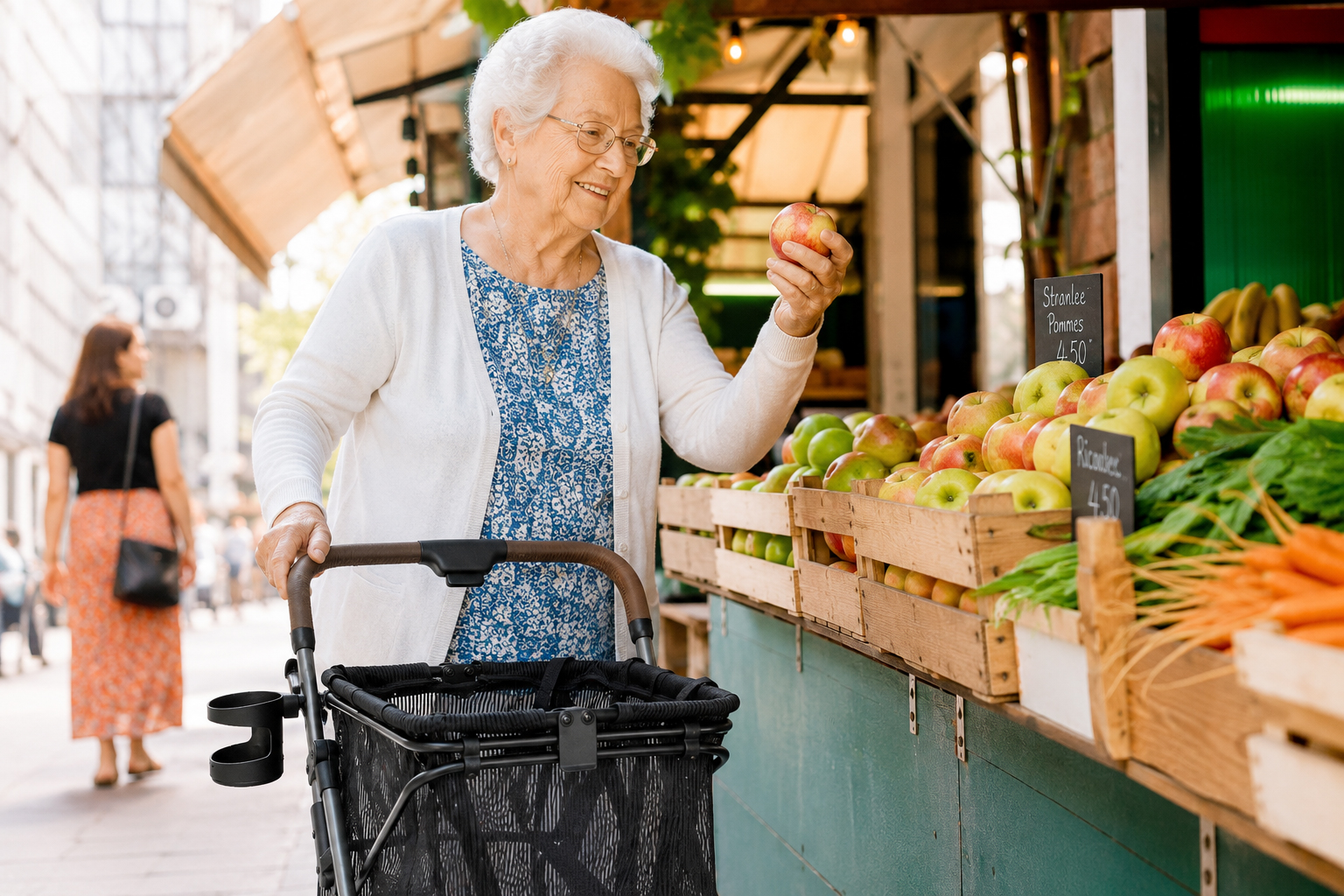
The hardest part of an errand is often not the errand itself. It is the walk from the car to the store, the weight of a few bags that turns into too much on the way home, or the moment you realize you are planning your day around what feels manageable instead of what needs to get done. Good walking support for daily errands changes that. It helps everyday tasks feel more steady, more organized, and far less tiring.
For many adults, especially older shoppers, caregivers, and anyone dealing with fatigue or reduced confidence on foot, support during errands is not about doing less. It is about staying independent while doing the things that keep life moving. Picking up groceries, stopping by the pharmacy, carrying pet supplies, or taking a longer route through a market should feel practical, not stressful.
What walking support for daily errands should actually do
The best support for errands is not just about carrying things. It should make movement easier from start to finish. That means helping you stay organized, reducing how much weight you need to carry in your hands, and giving you a steadier, more comfortable way to move through shops, sidewalks, parking lots, and apartment corridors.
A lot of products solve only one part of the problem. A basic tote bag may hold groceries, but it still leaves you balancing the load as you walk. A traditional cart may carry items, but if it feels bulky, awkward, or hard to fold, it creates a different kind of hassle. Real daily support needs to fit normal life. It should be easy to bring along, simple to store, and useful across more than one type of errand.
That is where thoughtful design matters. A lightweight frame, smooth movement, dependable stability, and useful storage all work together. When those details are done well, you notice it right away. Your pace feels more natural. Your hands are less occupied. Your trip feels less like a physical task and more like a normal part of the day.
Why everyday errands become more tiring than expected
Most people do not think of errands as physically demanding until they start stacking up. One stop becomes three. A short walk becomes a longer one because of parking, stairs, crowded aisles, or waiting in line. Then there is the load itself. Milk, produce, cleaning supplies, pet food, and household basics add up quickly.
Even smaller purchases can become frustrating when they are carried unevenly. One bag in each hand sounds simple until you need to open a door, check a phone, hold onto a railing, or navigate a curb. The issue is not only weight. It is also balance, posture, and how much energy gets used managing the load.
This is why walking support for daily errands matters so much in real life. It reduces the strain that builds up in small moments. Instead of gripping bags and adjusting your balance every few steps, you can move in a more relaxed and controlled way. That can make the difference between feeling capable at the end of an outing and feeling worn out before you get home.
The features that make the biggest difference
Not every support solution works equally well for errands. Some are fine indoors but frustrating outside. Others hold plenty but feel too large for everyday use. The best option depends on your routine, but a few features are consistently useful.
Stability comes first. If a cart or support system feels wobbly, you will notice it immediately, especially on uneven pavement or when turning corners. A stable frame helps movement feel more predictable, which is exactly what most people want during routine outings.
Foldability matters more than people expect. Errands usually start and end at home, in a car, or near a storage space. If your support item is difficult to collapse or awkward to lift, it may stay unused. A foldable design makes it much easier to bring along for quick store trips, appointments, and neighborhood walks.
Storage is another major factor. Open baskets can work for a few items, but organized bags and add-ons are what make a product genuinely practical. Separate compartments for cold groceries, personal items, water bottles, and smaller essentials can keep the outing smoother and reduce rummaging at checkout or in the parking lot.
Comfort also deserves more attention. A handle that feels natural in your hands and a frame that moves smoothly can change the whole experience. These sound like small details, but they affect whether a product becomes part of your weekly routine or something you avoid using.
When one product needs to do more than one job
Daily life rarely fits into single-purpose categories. The same person may need support for grocery runs, pharmacy pickups, weekend markets, pet outings, or carrying supplies for a family visit. That is why multi-use designs are often the most practical choice.
A cart that works only in one setting tends to stay home when plans change. But a solution that adapts to different errands has lasting value. If it can handle shopping one day, a pet accessory the next, and organized storage for a longer outing after that, it becomes part of your lifestyle instead of another item taking up space.
This is one reason modular systems stand out. Accessories like insulated bags, organizer compartments, cup holders, rain covers, or pet attachments make a noticeable difference because they let you adjust the setup to match the day. You are not forced into a one-size-fits-all routine. You can bring what you need and leave the rest behind.
For shoppers who care about convenience without clutter, that flexibility matters. It keeps the product useful across seasons, tasks, and changing needs.
Choosing the right walking support for daily errands
The right choice depends on how you move through your week. If most outings are short and local, a compact foldable option may be ideal. If you regularly carry groceries for more than one person, storage capacity becomes more important. If you use public transportation or need to lift the cart into a trunk, weight and folding ease should be near the top of your list.
It also helps to think about the surfaces you use most. Smooth indoor floors are one thing. Sidewalk cracks, curbs, and parking lots are another. A product that feels easy to manage in a store but awkward outside may not solve the full problem.
There is also the question of how much organization you want built in. Some people prefer a simple main compartment. Others feel much more at ease when there is a place for cold items, personal belongings, and everyday essentials. Neither approach is wrong. It depends on whether your errands are usually quick and focused or more varied and layered.
Strolee Carts Europe is built around this kind of real-life flexibility. Instead of offering a basic cart that does one job, the focus is on stable, foldable designs and add-ons that adapt to how people actually shop, walk, and manage everyday routines.
Small improvements that make errands feel easier
Sometimes the biggest change is not a dramatic one. It is simply removing the friction from regular tasks. When you do not have to think so much about carrying weight, staying organized, or managing multiple loose bags, errands feel lighter. You may find yourself making fewer separate trips, walking a little farther, or feeling less rushed because the process is easier to manage.
That added ease can also support confidence. Many people quietly adjust their habits when errands start to feel harder. They buy less at one time, avoid certain stores, skip outings in bad weather, or ask for help more often than they would prefer. Better support can reopen those choices. It gives you more control over how and when you get things done.
That does not mean every person needs the same setup. Some want the lightest possible frame. Others care most about storage or accessories. The point is to choose a solution that fits your routine well enough that using it feels obvious.
If your weekly errands have started to feel heavier, slower, or more tiring than they used to, that is worth paying attention to. The right support will not complicate your day. It should make ordinary things feel manageable again, with the kind of stability, convenience, and flexibility that helps you keep moving on your own terms.


