
Shopping Cart Versus Rolling Tote
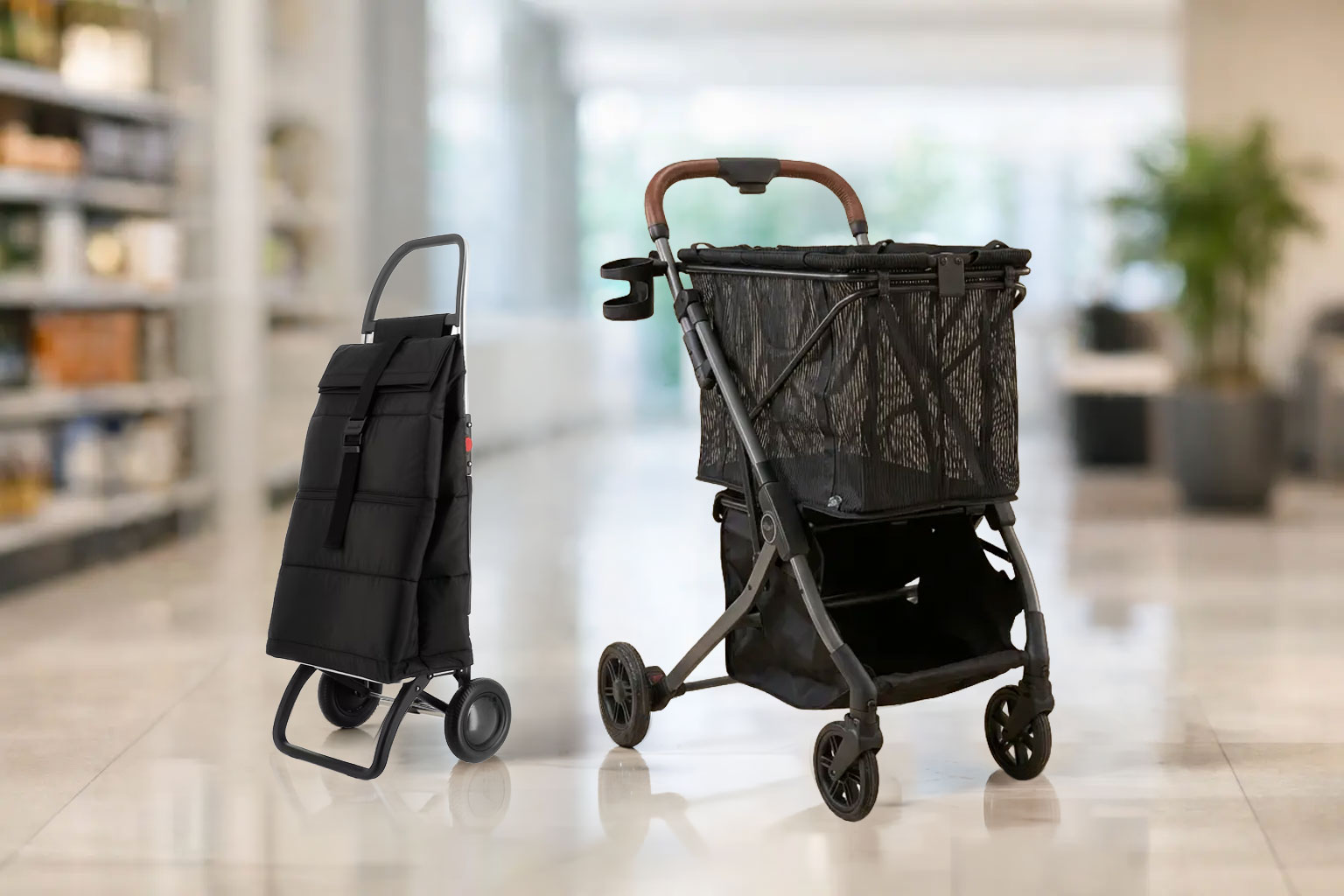
A crowded grocery aisle is where the difference between a shopping cart versus rolling tote becomes obvious fast. One feels steady, organized, and ready for a full errand. The other may be lighter and simpler, but it can become awkward once weight, uneven sidewalks, or multiple stops enter the picture. If you are trying to make daily shopping easier, the right choice depends less on looks and more on how you actually move through your day.
For many adults, especially those balancing groceries, household basics, personal items, or pet supplies, this is not a small decision. The gear you bring with you affects comfort, confidence, and how much effort a simple errand requires. A rolling tote can work well in the right setting, but a foldable shopping cart often gives you more support where real life tends to get messy.
Shopping cart versus rolling tote: what is the real difference?
A rolling tote is usually a soft-sided bag on two wheels with a pull handle. It is designed mainly to carry items from one place to another. It can be useful for light shopping, laundry, or short trips where you do not need much structure.
A shopping cart is built differently. It typically has a stronger frame, a more open or structured storage area, and a design that lets you push rather than drag. In many cases, it also offers better weight distribution and a more controlled feel while moving through stores, sidewalks, parking lots, and elevators.
That difference matters because pulling weight behind you is not the same as guiding it in front of you. A rolling tote often puts more strain on one arm and shoulder, especially when it is packed unevenly. A shopping cart tends to feel more balanced, which can make routine errands less tiring.
Where a rolling tote makes sense
A rolling tote has a place. If you live in a small apartment, make quick trips, or only need to carry a few items, it can be a practical choice. It usually stores easily in a closet or trunk and may be enough for a pharmacy stop, a library run, or a light market visit.
Some people also like the softer shape of a tote because it looks less bulky. It can feel familiar, especially if you have used wheeled luggage or utility bags before. For younger shoppers or anyone carrying small loads over smooth ground, that simplicity can be appealing.
Still, that convenience has limits. Soft bags sag. Narrow wheel designs can struggle on curbs or cracked pavement. And when the bag gets heavy, it often becomes harder to control rather than easier.
Why many shoppers outgrow the rolling tote
A rolling tote often works best before you ask too much of it. Once you add gallon jugs, canned goods, frozen foods, or bulky household staples, small design compromises become harder to ignore.
The first issue is weight handling. A tote may hold a surprising amount, but holding and moving are different things. When the load shifts inside a soft bag, the tote can tip, drag unevenly, or bump against your legs. That gets frustrating on longer walks or when you need to stop and start often.
The second issue is organization. If everything drops into one main compartment, finding delicate items or keeping cold groceries separate becomes more difficult. You may save space, but lose convenience.
The third issue is comfort over time. Pulling a tote behind you may feel manageable for ten minutes. It often feels different after a full shopping trip, a wait at the checkout line, a crosswalk, and a walk back home.
Shopping cart versus rolling tote for everyday errands
If your routine includes more than one stop, a shopping cart usually has the advantage. Grocery store, post office, pharmacy, and farmers market trips all ask for slightly different things. You need enough capacity, easier loading, stable movement, and the ability to keep items secure without constantly readjusting.
A well-designed foldable cart adapts better to those changes. It gives you more structure when loading heavier or oddly shaped items. It is easier to pause, park, and continue. It also tends to feel more dependable when surfaces are not perfectly smooth.
That practicality matters for older adults, caregivers, and anyone who wants to carry more without making the trip feel harder. Daily routines are rarely just a straight walk from store to car. They include doors, curbs, checkout lines, narrow aisles, and the occasional rushed moment. Equipment that feels steady in those moments earns its place quickly.
Stability changes the experience
Stability is one of the biggest reasons people move from a rolling tote to a foldable shopping cart. This is not just about carrying more. It is about feeling more in control while doing it.
A cart with a strong frame and thoughtful wheel placement tends to track better. It stays more predictable when turning corners, moving over transitions, or stopping on different surfaces. That predictability reduces small frustrations that add up over time.
For shoppers who feel fatigued during errands, that can make a real difference. Instead of managing the bag, you can focus on the errand itself. Instead of adjusting your grip every few steps, you can move more naturally and keep going.
This is one reason many people choose a more structured option from the start. Brands such as Strolee focus on foldable carts designed for real daily use, where convenience only matters if it still feels secure when the cart is full.
Storage, capacity, and smarter organization
Rolling totes are often judged by how compact they look when empty. Shopping carts are better judged by how useful they are when full. That is the more practical standard.
A cart with structured storage gives you more flexibility for groceries, household items, and extras you did not plan to buy. Add-on bags and accessories can also make a big difference. An insulated bag, organizer, cup holder, or weather cover turns a basic carrier into something that fits daily life more naturally.
This is where a cart often becomes the better long-term value. You are not just buying a container on wheels. You are choosing a system that can handle different types of errands with less compromise.
A rolling tote may still win on minimalism. If your goal is carrying a few things with the smallest footprint possible, it remains a fair option. But if your goal is staying organized, keeping items protected, and reducing the effort of transport, a cart usually gives you more to work with.
Portability is not just about folding small
People often assume the lighter product is automatically the more convenient one. That is only partly true. Portability matters before and after the errand, but usability matters during it.
A rolling tote may fold flatter or weigh less. A foldable shopping cart, though, can still be highly portable while offering far more function once opened. If it folds easily, fits in a car trunk, and stores without taking over a room, then a slightly larger size may be worth it.
For most shoppers, the better question is not, Which one is smallest? It is, Which one makes the whole trip easier from start to finish? That shift in thinking usually changes the answer.
How to choose the right option for your routine
If your errands are light, short, and predictable, a rolling tote may be enough. It works best for small loads, smooth surfaces, and people who do not mind pulling weight behind them.
If your routine includes heavier groceries, longer walks, multiple stops, or a need for better organization and steadiness, a shopping cart is often the better fit. It gives you more structure, better handling, and a more comfortable experience over time.
It also helps to think beyond one ideal trip. Most people buy based on their easiest errand, then feel frustrated on their hardest one. A better approach is to choose for the trip that tests your equipment a little. If your cart performs well there, it will likely feel even better on lighter days.
The best choice is the one that supports your real routine, not just the one that looks simplest on paper. When everyday errands feel easier, you are more likely to stay independent, organized, and ready for whatever the day adds next.


