
7 Best Carts for Weekly Groceries
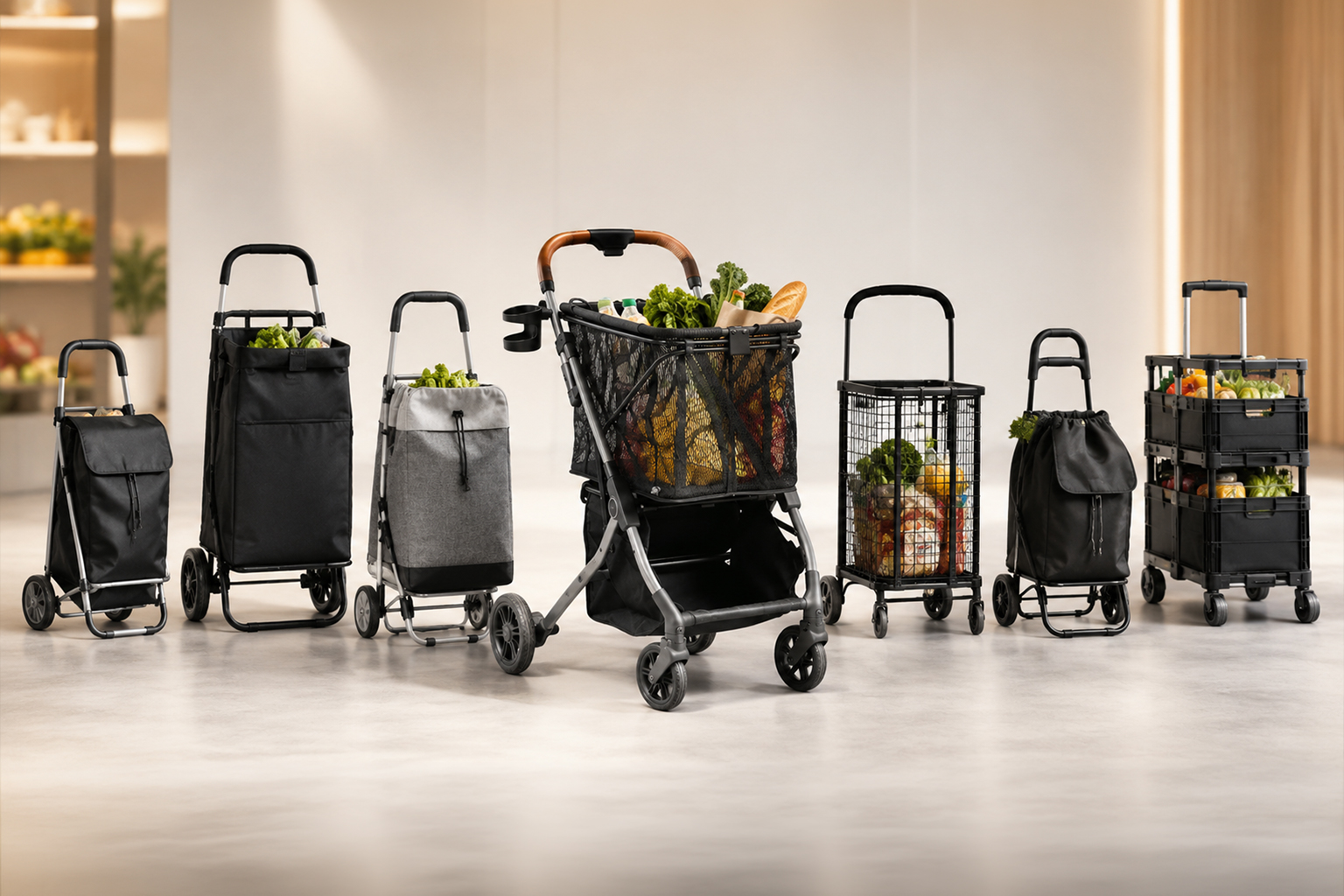
A weekly grocery run gets frustrating fast when your cart fights you on curbs, wobbles on uneven sidewalks, or takes up half the closet when you get home. The best carts for weekly groceries are not just roomy. They need to feel stable, move easily, fold without hassle, and fit the way you actually shop.
If you shop once a week for yourself, a partner, kids, or even a pet along for the outing, the right cart can take real strain out of the routine. It can make heavy loads feel more manageable, help you stay organized from store to kitchen, and turn a tiring errand into something much more straightforward. The trick is knowing which features matter most before you buy.
What makes the best carts for weekly groceries?
Capacity is usually the first thing people look at, and for good reason. A cart for weekly shopping needs enough space for pantry items, produce, household basics, and a few bulky extras without feeling overloaded. But bigger is not automatically better. If the basket is too large for your storage space, too awkward for narrow aisles, or too heavy to handle once full, it stops being useful.
Stability matters just as much as volume. A cart that tips easily when turning corners or rolling over cracks in the pavement adds stress to the trip. A solid frame, well-positioned wheels, and a shape that keeps weight balanced all make a noticeable difference, especially when you are carrying heavier groceries like drinks, canned goods, or large containers.
Folding design is another feature that separates a smart everyday cart from one that becomes a nuisance. For apartment living, small entryways, or car trunks, a foldable model is often the better fit. It should collapse simply and store neatly without needing a long setup every time you use it.
Then there is comfort. The handle height, grip, rolling feel, and overall maneuverability affect how easy the cart is to use from start to finish. If you are walking several blocks, shopping in crowded stores, or loading and unloading on your own, those details matter every week.
The 7 types of best carts for weekly groceries
There is no single perfect cart for every shopper. The better choice depends on how much you buy, where you shop, and how you get there.
1. Foldable shopping carts for small-space living
If storage is tight, a foldable cart is often the most practical option. It works well for people in apartments, condos, or homes where bulky gear quickly gets in the way. A good foldable model should close down compactly while still feeling sturdy when open.
The trade-off is that some lightweight foldable carts give up too much structure in exchange for portability. If your weekly groceries tend to include heavier items, look for a design that stays balanced under load rather than one that only looks compact online.
2. Larger-capacity carts for full household shops
For families or shoppers who prefer one major grocery trip each week, larger-capacity carts can save time and reduce the need for extra bags. These are useful when you regularly buy enough for multiple people, stock up on basics, or combine grocery shopping with pharmacy and household items.
The downside is maneuverability. A bigger cart can feel less nimble in smaller stores or on public transportation. It helps to choose a model with a thoughtful frame design so the added capacity does not turn into added frustration.
3. Lightweight carts for easier lifting and transport
Some shoppers need a cart that is easy to lift into a car, carry up a few steps, or tuck away quickly after use. In that case, lighter weight becomes a priority. A lighter cart can make the whole shopping routine feel less demanding.
Still, there is a balance to strike. Extremely light carts may not handle heavier grocery loads as confidently. The best option is usually a cart that keeps overall weight manageable without sacrificing too much stability.
4. Stable four-wheel carts for smoother control
Four-wheel carts are often a strong choice for people who want a more grounded, secure feel while shopping and walking through town. They tend to distribute weight more evenly and can feel more controlled when the basket is full.
That extra stability is especially useful for weekly shopping because loads vary from trip to trip. One week it is mostly produce and pantry goods. The next week it might be detergent, bottled drinks, and frozen items. A well-built four-wheel cart adapts better to those changes.
5. Carts with insulated and organizer accessories
For many shoppers, the cart itself is only part of the equation. Accessories can make weekly groceries much easier to manage. Insulated bags help with frozen foods and dairy. Organizer compartments keep fragile items separate from heavier staples. Cup holders, covers, and extra storage can also make longer outings feel more organized.
This is where a modular cart system stands out. Instead of buying a basic cart and then trying to make it work for every situation, you can choose a setup that fits your routine more closely. That is often the smarter long-term buy.
6. Compact carts for quick urban errands
Not every weekly grocery routine happens in one big suburban supermarket. Many urban shoppers stop at smaller stores, navigate narrow aisles, and walk on busy sidewalks. In that setting, a more compact cart may be the better fit, even if it carries a little less.
A compact design is easier to steer, easier to park at home, and easier to bring along when your trip includes multiple stops. If your shopping style is frequent but efficient, this kind of cart can feel much more natural than an oversized model.
7. Multi-use carts built for real life
The most useful carts often do more than one job well. They can handle groceries, fold for storage, work with accessories, and adapt to errands beyond the supermarket. That flexibility matters because most people are not buying a cart for one perfect shopping trip. They are buying it for real routines, changing weather, and the unpredictable mix of items that comes up week after week.
A product-centered brand like Strolee focuses on that practical flexibility. A cart that works with add-ons and everyday needs can offer better value than a simpler model that only solves one part of the problem.
How to choose the best cart for your weekly groceries
Start with your usual grocery load. If you shop for one or two people and buy fresh items more often, a compact foldable cart may be enough. If you shop for a household and prefer one larger weekly trip, you will likely be happier with more capacity and a sturdier frame.
Next, think about your route. A cart that works well in a parking lot may not feel as easy on sidewalks, building entrances, or public transit. If your trip includes uneven pavement, curbs, or longer walking distances, wheel design and stability should move higher on your priority list.
Storage should be part of the decision too. A cart that is perfect at the store but awkward at home becomes a daily annoyance. Measure the spot where you plan to keep it, whether that is a hallway closet, pantry corner, mudroom, or trunk.
It also helps to be honest about how you like to organize. Some people are fine tossing everything into one main basket. Others want separate sections for cold items, fragile goods, or personal essentials. If that sounds like you, accessories are not just extras. They are part of what makes the cart actually useful.
Features worth paying for and features you may not need
A strong frame, smooth rolling wheels, easy folding, and comfortable handling are worth paying for because they affect every single use. Good storage design is also worth it, especially if it keeps groceries better organized and reduces the need to carry extra bags.
On the other hand, not every shopper needs the largest basket or the heaviest-duty setup. If your weekly run is modest and your home is short on space, a simpler compact cart may be the better purchase. More cart is not always more convenience.
That is why the best carts for weekly groceries are the ones that match your routine, not the ones with the longest feature list. The right cart should feel like it belongs in your week from the first trip onward.
A better weekly routine starts with the right cart
Grocery shopping is one of those tasks that repeats whether you are in the mood or not. The right cart does not make the errand disappear, but it can make it feel lighter, more organized, and easier to manage. When a cart is stable, foldable, and built for the way you actually shop, it stops being just another item you own and starts becoming part of a smoother routine.


